Tunisia's Debt Crisis: A Mounting Challenge
 ··3 min read
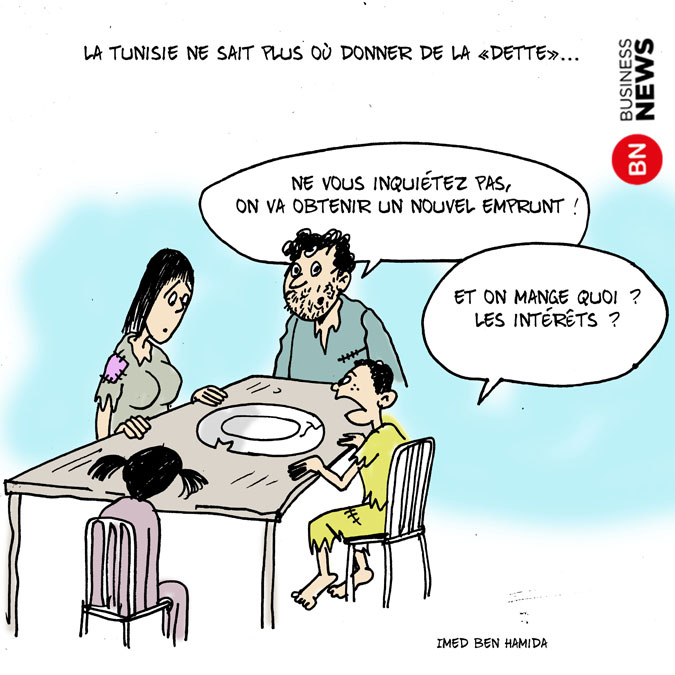
Tunisia is grappling with a severe debt crisis, with public debt reaching unprecedented levels and the government struggling to manage its financial obligations. The situation has become increasingly dire, with the country's debt-to-GDP ratio rising to 88.2% in 2022, up from 75.3% in 2021. This rapid increase has raised concerns about the sustainability of Tunisia's public finances and its ability to service its debt.
The Tunisian government has been forced to implement austerity measures to address the crisis. These measures include cuts to public spending, reductions in subsidies, and increases in taxes. However, these measures have been met with significant public backlash, leading to widespread protests and social unrest. The government has also sought to secure additional funding from international lenders, but these efforts have been hampered by political instability and economic uncertainty.
The debt crisis has had a significant impact on Tunisia's economy, with the country's growth rate slowing to 2.7% in 2022, down from 3.6% in 2021. The crisis has also led to a depreciation of the Tunisian dinar, making it more difficult for the country to import goods and services. This has further exacerbated the economic situation, leading to shortages of essential goods and rising prices.
The Tunisian government has been working to address the debt crisis through a series of reforms aimed at improving the country's fiscal situation. These reforms include efforts to increase tax revenue, reduce public spending, and improve the efficiency of public institutions. However, these efforts have been slow to yield results, and the debt crisis continues to deepen. The government has also been working to secure additional funding from international lenders, but these efforts have been hampered by political instability and economic uncertainty.
The debt crisis has also had a significant impact on Tunisia's social fabric, with the country's citizens bearing the brunt of the economic hardship. The crisis has led to a rise in poverty and unemployment, with many Tunisians struggling to make ends meet. The situation has been further exacerbated by the COVID-19 pandemic, which has had a devastating impact on the country's economy and social fabric. The government has been forced to implement strict lockdown measures, which have further exacerbated the economic situation and led to a rise in poverty and unemployment.
The Tunisian government has been working to address the debt crisis through a series of reforms aimed at improving the country's fiscal situation. These reforms include efforts to increase tax revenue, reduce public spending, and improve the efficiency of public institutions. However, these efforts have been slow to yield results, and the debt crisis continues to deepen. The government has also been working to secure additional funding from international lenders, but these efforts have been hampered by political instability and economic uncertainty.
Despite the challenges, the Tunisian government remains committed to addressing the debt crisis and improving the country's economic situation. The government has been working to implement a series of reforms aimed at improving the country's fiscal situation, and has been seeking additional funding from international lenders. However, the path to economic recovery remains uncertain, and the government will need to navigate a complex web of political and economic challenges in the coming years.