Tunisia Receives €60.9 Million for Coastal Protection from Netherlands
 ··3 min read
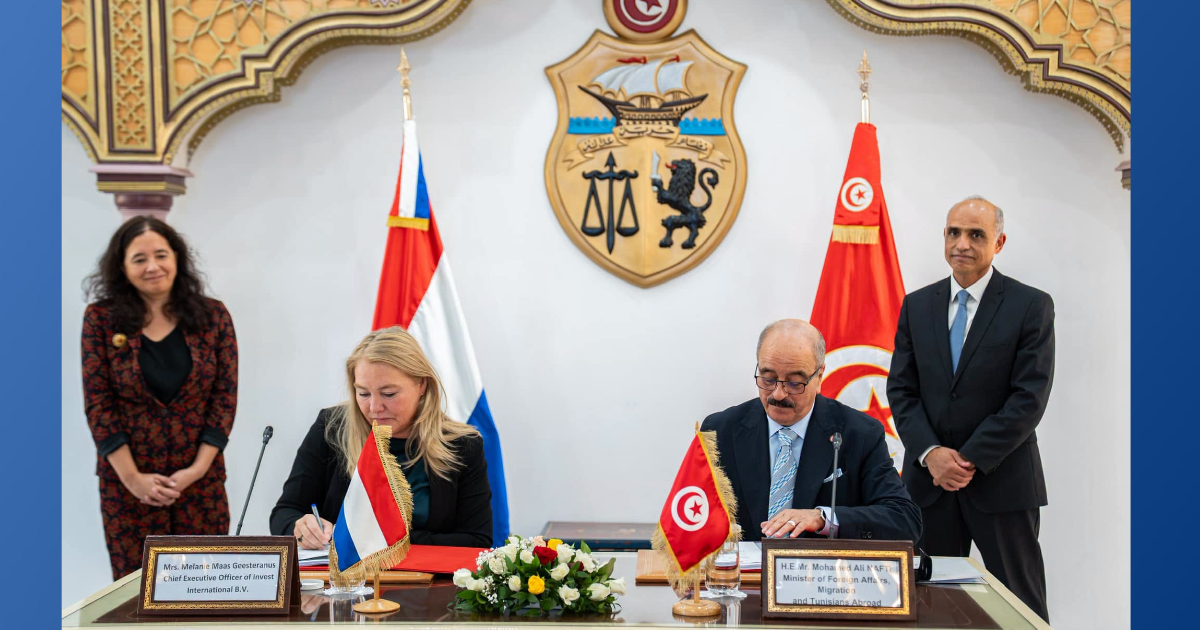
On November 10, 2026, Tunisia received a €60.9 million donation from the Netherlands to fund its coastal protection program. The agreement was signed by Mohamed Ali Nafti, Tunisia's Minister of Foreign Affairs, Migration and Tunisians Abroad, and Melanie Maas Geesteranus, Director General of the Dutch institution Invest International B.V. The ceremony took place in the presence of Dewi van de Weerd, the designated Ambassador of the Netherlands to Tunisia, and Elisabeth Wolbers, the Ambassador of the Federal Republic of Germany to Tunisia.
The funding will support the fourth and fifth phases, as well as an additional phase, of Tunisia's coastal protection program. This program, launched in 2013, is part of a Tunisian-German cooperation initiative funded by the KfW Development Bank. The new funds will be used to protect three additional sites: Bizerte, the area from Sousse-Sud to Skanès and Qaraiya to Monastir, and the northeastern coast of Djerba Island. Additionally, a study will be conducted on protecting the coastline from Beni Khiar to Yasmine Hammamet.
The Dutch donation underscores the strong diplomatic and cooperative ties between Tunisia and the Netherlands. During a meeting with Maas Geesteranus, Nafti emphasized the robust friendship and distinguished cooperation between the two countries. He expressed Tunisia's appreciation for Dutch support and its eagerness to enhance bilateral cooperation across various sectors, leveraging the Netherlands' global expertise in sustainable development solutions.
This initiative is part of a broader effort to protect Tunisia's extensive coastline, which stretches over 1,300 kilometers. The country's coastal areas are not only crucial for tourism but also face significant environmental challenges, including erosion and rising sea levels. The protection program aims to address these issues through various measures, such as building seawalls, planting vegetation, and implementing sustainable development practices.
The Netherlands has a long history of expertise in coastal management and environmental sustainability. The country's experience in managing its own extensive coastline, which is below sea level in many areas, makes it a valuable partner for Tunisia. The Dutch approach to coastal protection often involves a combination of hard infrastructure, such as dikes and barriers, and soft solutions, like nature-based approaches that mimic natural coastal processes.
Tunisia's coastal protection program has been ongoing since 2013, with significant contributions from international partners. The KfW Development Bank has been a key financier, supporting various phases of the program. The latest Dutch donation will build on this foundation, ensuring that Tunisia's coastal areas remain protected and sustainable for future generations.
The program's focus on key areas like Bizerte, Sousse, Monastir, and Djerba reflects their strategic importance. Bizerte, for instance, is a major port city with significant economic and military importance. Sousse and Monastir are popular tourist destinations, while Djerba is known for its unique cultural heritage and natural beauty. Protecting these areas is crucial for maintaining Tunisia's economic stability and environmental integrity.
The Dutch donation is expected to have a significant impact on Tunisia's coastal protection efforts. By funding critical phases of the program and supporting key areas, the Netherlands is helping Tunisia address some of its most pressing environmental challenges. This collaboration not only strengthens the bond between the two countries but also sets a precedent for international cooperation in environmental sustainability.