Tunisia's Economic Development: Criticism After Government Address
 ··2 min read
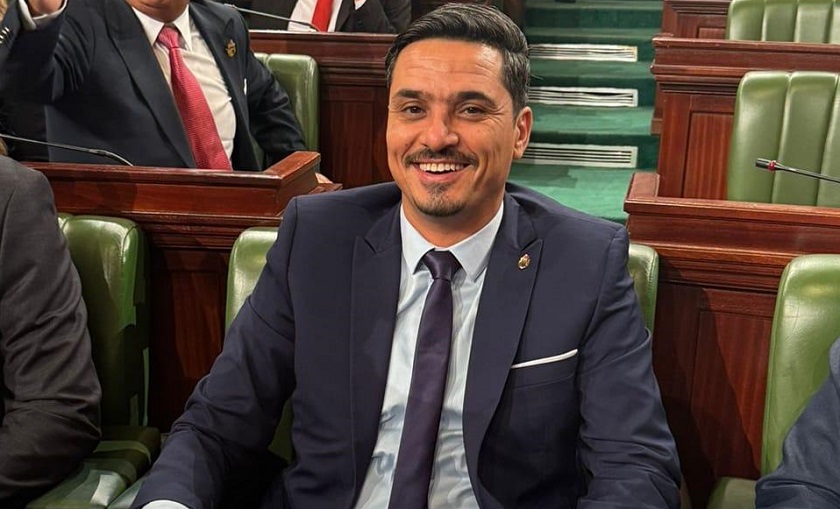
Tunisian Deputy Imed Aouled Jebril delivered a critical assessment of the government's economic development plans following a speech by Prime Minister Sarra Zaâfrani Zenzri to the Assembly of People's Representatives. The speech, which lasted two hours and covered seventy pages, has sparked debate about the substance and direction of Tunisia's economic policies.
In his critique, Aouled Jebril questioned the practical implications of the government's proposals, suggesting that the plans lacked concrete measures to address the country's economic challenges. He highlighted the need for more tangible actions rather than lengthy speeches, emphasizing that the Tunisian people are awaiting real progress and not just promises.
The deputy's remarks come at a time when Tunisia is grappling with significant economic issues, including high unemployment, inflation, and a struggling currency. The government's economic strategy, as outlined by Prime Minister Zaâfrani Zenzri, aims to address these problems through a series of reforms and initiatives. However, critics argue that the proposed measures are insufficient and lack the necessary detail to inspire confidence in their effectiveness.
One of the key points of contention is the government's approach to job creation and economic diversification. While the speech outlined various plans to boost employment and attract foreign investment, Aouled Jebril contended that these plans are too vague and do not provide a clear roadmap for implementation. He also expressed concerns about the government's ability to follow through on its commitments, given the political instability and economic uncertainty that have plagued the country in recent years.
Economic experts have also weighed in on the debate, with some agreeing with Aouled Jebril's assessment that the government's plans are lacking in substance. They point to the need for more specific and actionable policies, particularly in areas such as public sector reform, fiscal discipline, and private sector development. Others, however, argue that the government's proposals represent a step in the right direction and that more time is needed to see the results of these initiatives.
Despite the criticism, the government maintains that its economic strategy is on the right track and that progress is being made. Officials have emphasized the importance of patience and continued support from the international community as Tunisia works to implement its economic reforms. They also highlight the challenges posed by external factors, such as global economic conditions and regional instability, which can impact the country's economic trajectory.
The debate over Tunisia's economic development comes at a crucial juncture for the country. With ongoing political and economic challenges, the effectiveness of the government's plans will be closely scrutinized. The outcome of these efforts will have significant implications for Tunisia's future, including its ability to achieve sustainable economic growth and improve the living standards of its citizens.