
Egypt Reopens Embassy in Tripoli Amid Geopolitical Shifts
 ··3 min read
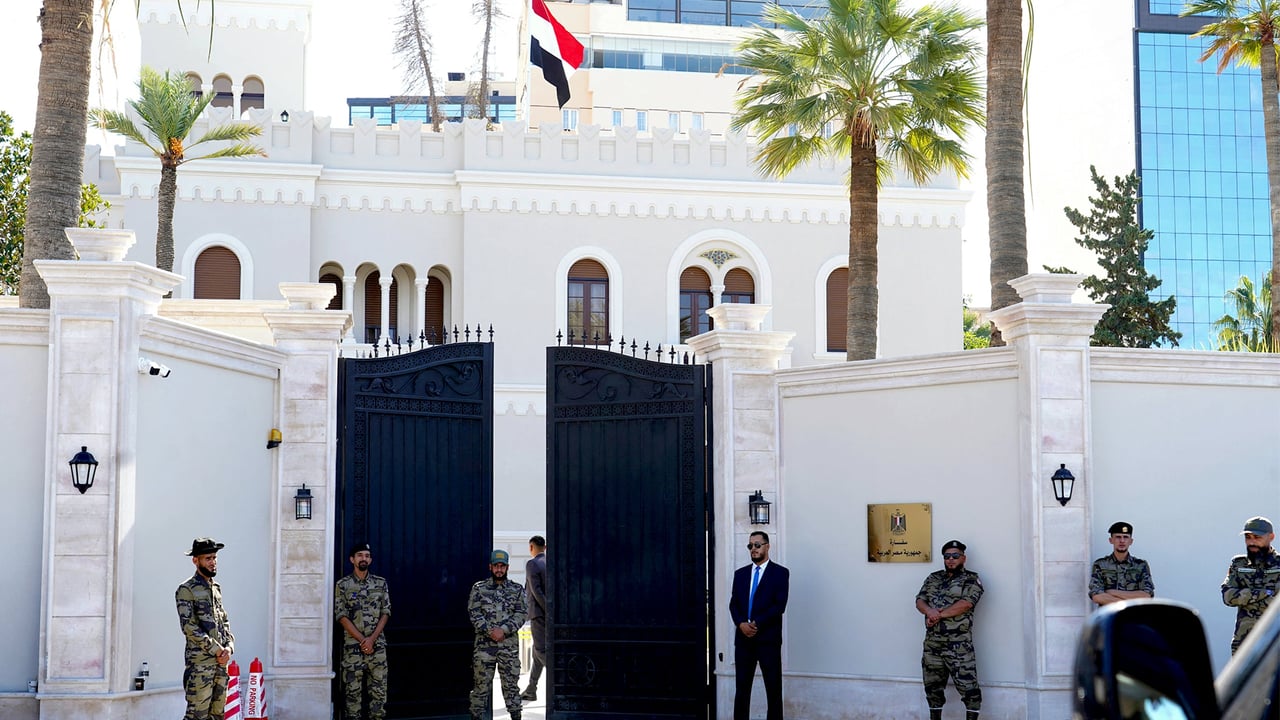
Egypt has reopened its embassy in Tripoli, Libya, marking a significant diplomatic move after years of closure. The decision was announced by Egypt's foreign ministry on 2023-09-05, signaling a shift in the country's approach to Libya.
The Egyptian embassy in Tripoli had been closed since 2014 due to security concerns and political instability in Libya. The reopening comes as part of a broader effort by Egypt to engage more actively with the region.
Egypt's decision to reopen its embassy in Tripoli is driven by several geopolitical factors. Chief among these is the desire to counter the growing influence of Turkey in Libya. Turkey has been actively involved in Libya's political and military affairs, supporting the Government of National Accord (GNA) based in Tripoli.
Egypt, along with other regional powers, has been concerned about Turkey's expanding role in Libya. Turkey's military support for the GNA has included the deployment of troops and military equipment, which has raised alarms in Cairo. Egypt views Turkey's actions as a threat to its national security and regional stability.
In addition to countering Turkey's influence, Egypt's move is also aimed at strengthening its own position in Libya. By reopening its embassy, Egypt seeks to enhance its diplomatic presence and influence in the country. This includes supporting the Libyan National Army (LNA) and other factions that oppose the GNA.
Egypt's reengagement with Libya is part of a broader strategy to assert its influence in the region. The country has been actively involved in various diplomatic initiatives aimed at resolving the Libyan conflict. These efforts include participating in international talks and mediating between different Libyan factions.
Egypt's reopening of its embassy in Tripoli is also seen as a response to the evolving political landscape in Libya. The country has been in a state of turmoil since the fall of Muammar Gaddafi in 2011. The conflict has since evolved into a complex web of competing factions, each with its own agenda and external backers.
Egypt's decision to reopen its embassy in Tripoli comes at a time when the international community is increasingly focused on finding a resolution to the Libyan conflict. Various international actors, including the United Nations, have been involved in efforts to broker a peace deal and stabilize the country.
Egypt's move is likely to have significant implications for the regional power dynamics in Libya. It could potentially lead to a shift in the balance of power, with Egypt playing a more prominent role in the country's political and military affairs. This could also affect the dynamics between other regional powers, such as Turkey and the United Arab Emirates, which have been actively involved in Libya.
The reopening of the Egyptian embassy in Tripoli is a significant development in the ongoing efforts to stabilize Libya. It reflects Egypt's strategic interests in the region and its desire to counter the growing influence of Turkey. As the situation in Libya continues to evolve, Egypt's role is likely to become even more important in shaping the country's future.


