Algerian Women's Health: Pregnancy and Childbirth in Algeria
 ··2 min read
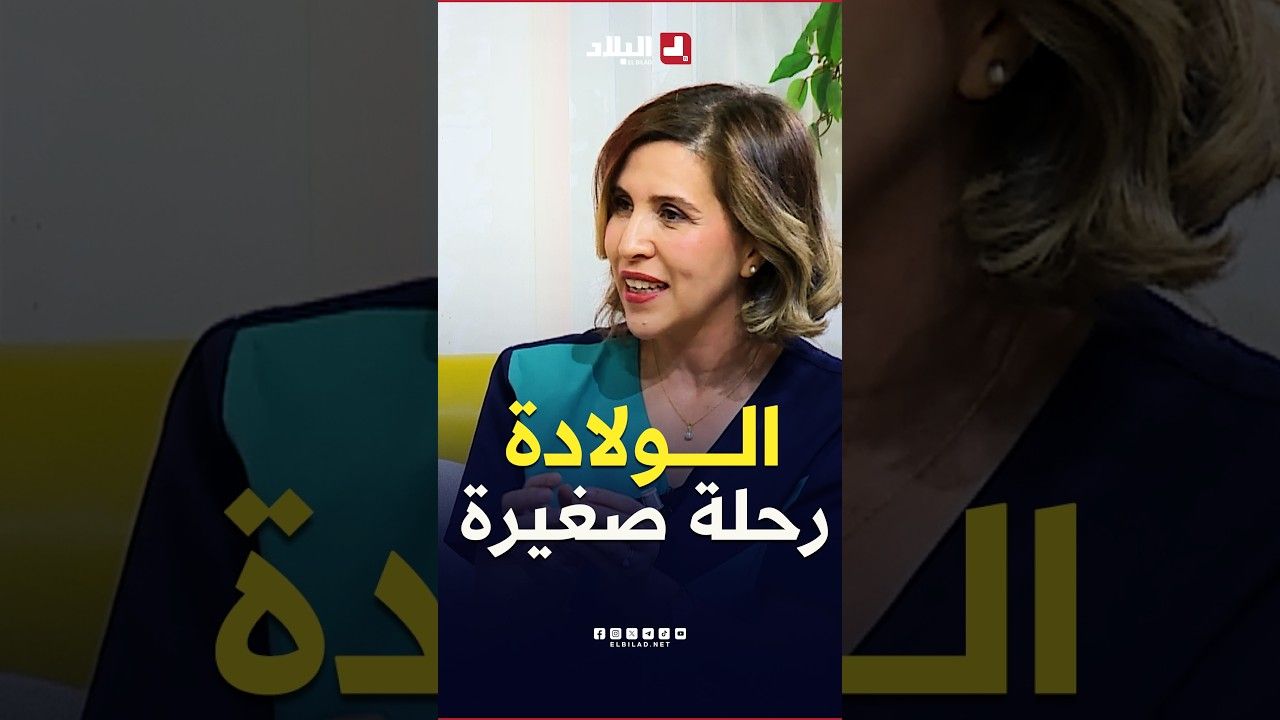
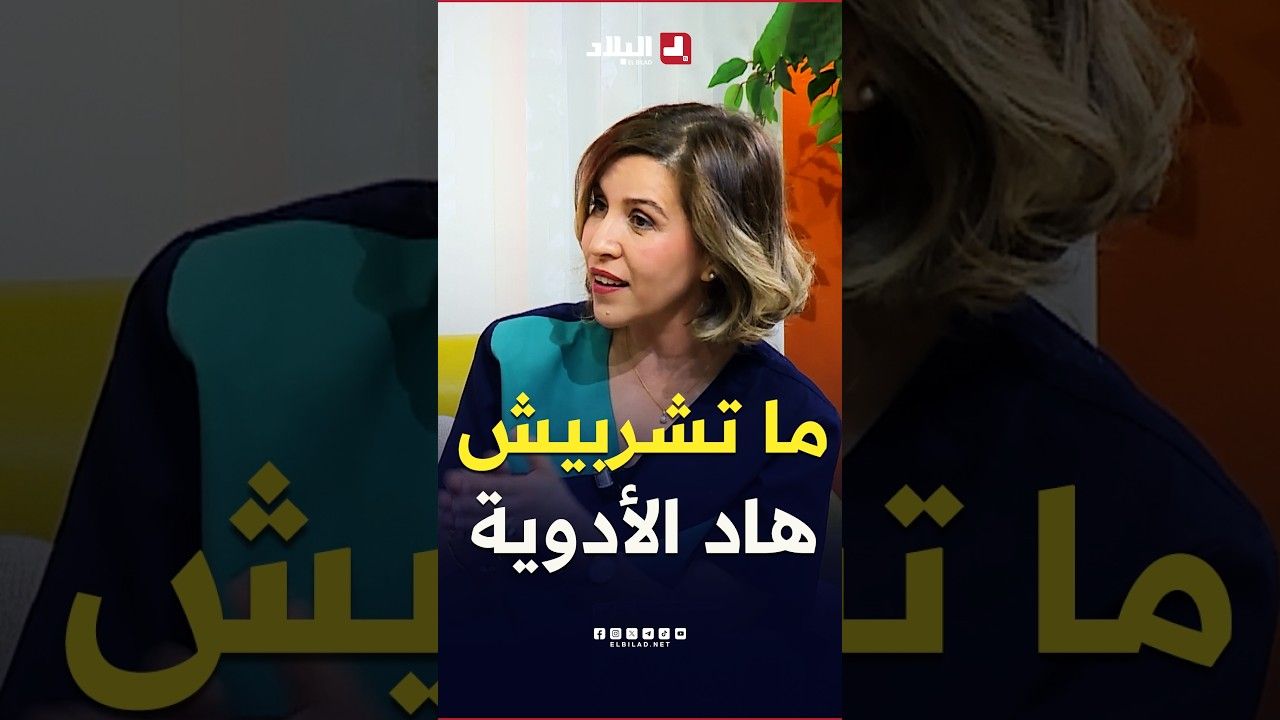
In Algeria, a prominent gynecologist has offered guidance to expectant mothers, emphasizing the importance of maternal health and preparedness for childbirth. The advice comes as part of a broader discussion on women's health in the country.
The gynecologist highlighted several key points for women preparing for childbirth. Regular prenatal check-ups are crucial for monitoring both the mother's and the baby's health. These check-ups allow healthcare providers to detect and address any potential complications early. The doctor also stressed the importance of a balanced diet and regular exercise during pregnancy, which can help ensure a smoother delivery and faster postpartum recovery.
In Algeria, maternal health is a significant concern. According to recent data, the country has made progress in reducing maternal mortality rates, but challenges remain. Access to quality healthcare, particularly in rural areas, is a persistent issue. The gynecologist's advice aims to empower women with the knowledge and tools necessary to navigate pregnancy and childbirth safely.
Preparation for childbirth involves more than just physical health. The gynecologist advised expectant mothers to educate themselves about the birthing process and to consider attending childbirth classes. These classes can provide valuable information and help alleviate anxiety about the delivery. Additionally, having a support system in place, including family and friends, can make a significant difference in the overall experience.
The discussion also touched on the emotional aspects of pregnancy and childbirth. The gynecologist emphasized the importance of mental health during this time, encouraging women to seek support if they feel overwhelmed. Postpartum depression is a real concern, and early intervention can make a significant difference in a new mother's well-being.
In Algeria, cultural practices and beliefs surrounding pregnancy and childbirth can vary widely. The gynecologist acknowledged the importance of respecting these traditions while also promoting evidence-based practices. For instance, some women may prefer traditional remedies alongside modern medical care, and healthcare providers are encouraged to be open to these preferences.
The advice from the gynecologist is part of a broader effort to improve maternal health outcomes in Algeria. The country has been working to enhance its healthcare infrastructure and to provide better training for healthcare professionals. Initiatives aimed at increasing awareness about maternal health and childbirth practices are also underway, with a focus on reaching women in rural and underserved communities.
Algeria has seen improvements in maternal health indicators in recent years. The maternal mortality rate has decreased, and more women are receiving prenatal care. However, there is still work to be done to ensure that all women have access to the care they need. The gynecologist's advice serves as a reminder of the importance of continuous education and support for expectant mothers.