
Descendant of Ottoman Sultan Lives in Tripoli
 ··3 min read
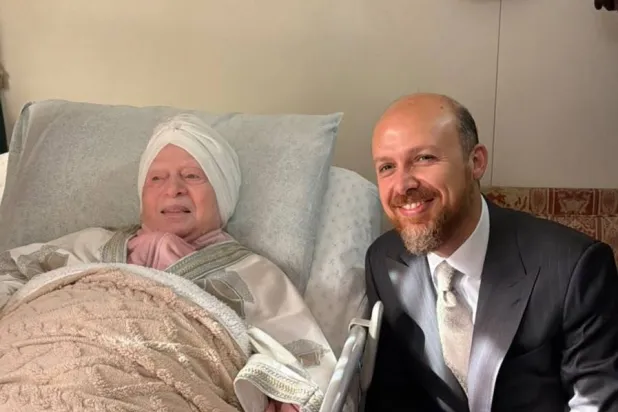
Tripoli, Lebanon—During a visit by Bilal Erdogan, son of Turkish President Recep Tayyip Erdogan, to the city, it was revealed that a descendant of the last Ottoman Sultan, Abdul Hamid II, lives in Tripoli.
The discovery was made during a meeting between Bilal Erdogan and the descendant, who has chosen to remain anonymous. The descendant is a direct relative of the Ottoman Sultan, who ruled the empire from 1876 to 1909.
Abdul Hamid II, known for his efforts to modernize the Ottoman Empire, was the 34th Sultan of the Ottoman dynasty. He was deposed in 1909 and died in exile in 1918. His descendants have since lived in various parts of the world, with some settling in the Middle East.
The descendant living in Tripoli has been residing in the city for several years, integrating into the local community. The revelation has sparked interest among locals and historians alike, who are eager to learn more about the connection between the Ottoman Empire and the city.
Tripoli, a city with a rich history, has been a crossroads of civilizations for centuries. Its strategic location on the Mediterranean coast has made it a hub for trade and cultural exchange. The presence of a descendant of the last Ottoman Sultan adds another layer to the city's historical tapestry.
The visit by Bilal Erdogan was part of a broader diplomatic effort to strengthen ties between Turkey and Lebanon. The meeting with the descendant of Abdul Hamid II was a significant moment in the visit, highlighting the shared history between the two countries.
The revelation has also sparked discussions about the legacy of the Ottoman Empire in the region. The empire, which once stretched from the Balkans to the Arabian Peninsula, left a profound impact on the cultural, political, and social landscape of the Middle East.
Historians and scholars have long studied the Ottoman Empire's influence on the region, and the presence of a descendant of the last Sultan in Tripoli provides a unique opportunity to explore this legacy further. The descendant's experiences and perspectives can offer valuable insights into the empire's enduring impact on the region.
For the people of Tripoli, the discovery of a descendant of the last Ottoman Sultan living among them is a source of pride and curiosity. The city, known for its vibrant cultural scene and historical sites, has always been a place where different cultures and histories intersect. The presence of the descendant adds another dimension to this rich cultural tapestry.
The revelation has also raised questions about the future of the Ottoman legacy in the region. As the Middle East continues to evolve, the stories and experiences of those connected to the Ottoman Empire provide a window into the region's past and its ongoing transformation.
The visit by Bilal Erdogan and the subsequent revelation about the descendant of Abdul Hamid II have underscored the importance of preserving and understanding the region's history. The shared heritage between Turkey and Lebanon, as well as the broader Middle East, is a testament to the enduring legacy of the Ottoman Empire.
The discovery of a descendant of the last Ottoman Sultan living in Tripoli is a reminder of the interconnectedness of the region's history and the enduring impact of the Ottoman Empire. As the Middle East continues to navigate its complex present, the stories and experiences of those connected to the Ottoman Empire offer valuable insights into the region's past and its ongoing transformation.


