Vulcan Rocket Set for Return to Flight on November 13
 ··2 min read
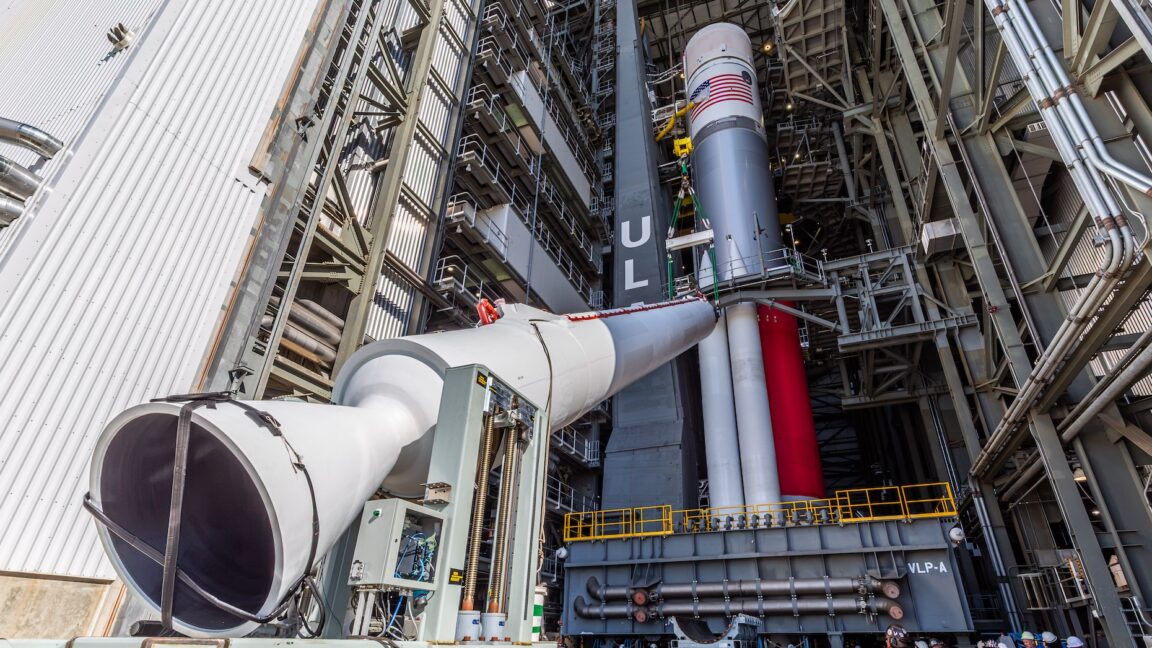
United Launch Alliance (ULA) has scheduled the return to flight of its Vulcan rocket for November 13, marking a significant milestone after a nine-month hiatus. The launch, pending range approval, will take place from Cape Canaveral Space Force Station in Florida. This mission will deploy 40 satellites for Amazon's Project Kuiper, a constellation aimed at providing global broadband internet access.
The Vulcan rocket's return to service comes after a series of setbacks, including a solid rocket booster anomaly in February. This incident, along with previous nozzle failures, led to delays and raised concerns among ULA's primary customer, the US Space Force. Despite these challenges, the rocket successfully completed its missions, but the incidents have impacted the launch schedule.
The upcoming launch is the first of 38 flights that Amazon has booked with ULA to deploy the bulk of its Project Kuiper constellation. This mission is critical for ULA as it seeks to regain confidence from its customers and stakeholders. The successful deployment of these satellites will be a key step in Amazon's efforts to provide global internet connectivity.
Amazon's Project Kuiper aims to deliver high-speed, low-latency broadband internet to unserved and underserved communities around the world. The constellation will consist of 3,236 satellites, with the initial deployment phase focusing on launching the first 40 satellites. This phase is crucial for validating the system's performance and paving the way for future launches.
ULA's Vulcan rocket is designed to be a versatile and reliable launch vehicle, capable of carrying both government and commercial payloads. The rocket's return to flight is a testament to ULA's engineering and operational capabilities, as well as its commitment to safety and mission success. The successful launch of the 40 satellites will not only demonstrate the rocket's capabilities but also mark a significant step forward for Amazon's Project Kuiper.
The launch is scheduled for November 13, 2024, from Cape Canaveral Space Force Station, Florida. The mission will be closely watched by industry experts and stakeholders, as it represents a critical milestone for both ULA and Amazon. The successful deployment of the satellites will be a key indicator of the project's progress and its potential to revolutionize global internet connectivity.