QatarEnergy Secures US LNG to Mitigate Hormuz Risks
 ··2 min read
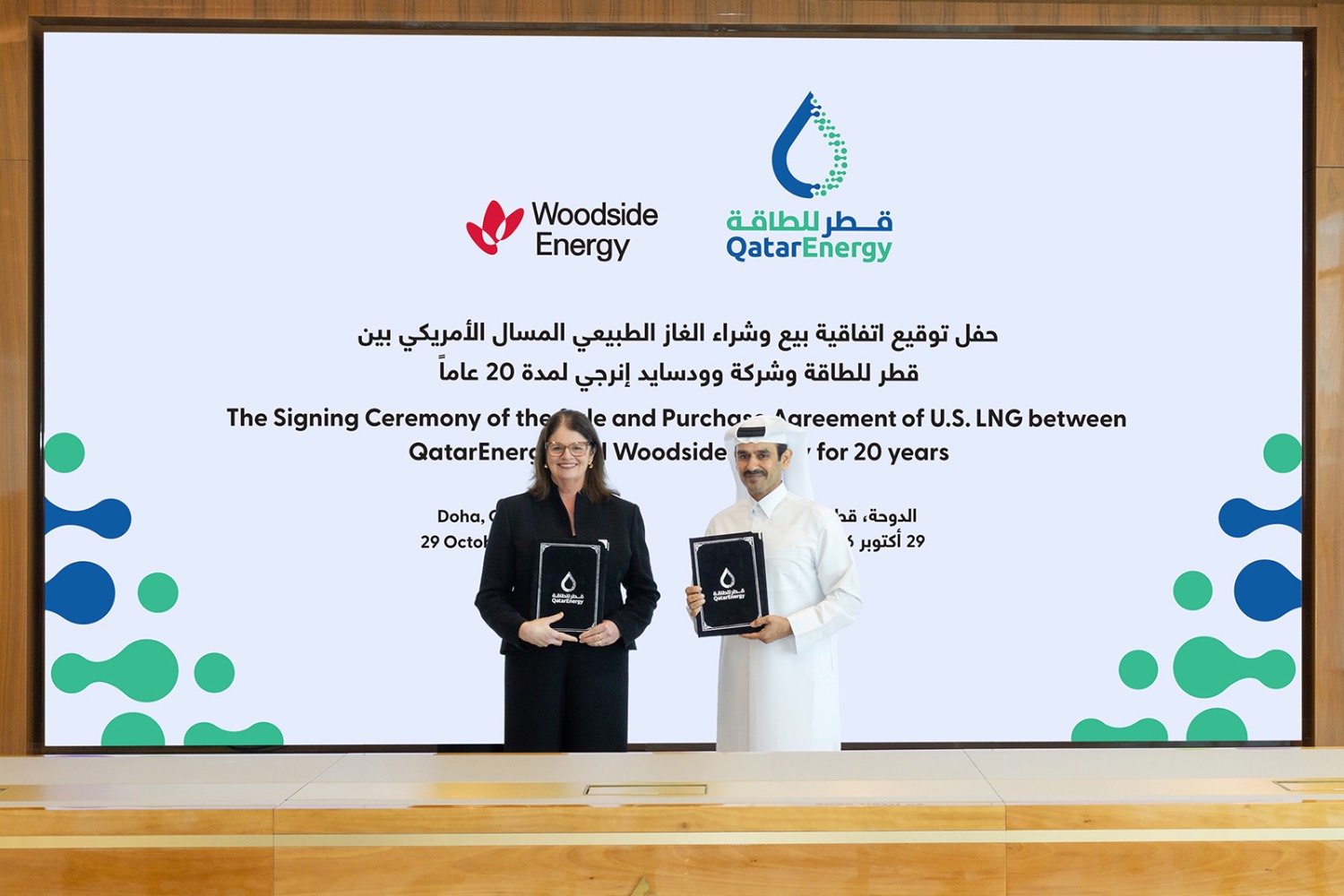
QatarEnergy has signed a 20-year agreement with Woodside Energy to purchase up to 3 million metric tons of liquefied natural gas (LNG) annually, starting in 2030. The deal is part of QatarEnergy's strategy to protect against potential disruptions in the Strait of Hormuz, a critical waterway for global energy supplies.
QatarEnergy President and CEO Saad Sherida Al-Kaabi confirmed that the company is negotiating with additional suppliers to diversify its LNG sources. Further long-term purchase agreements are expected by the end of 2026. The strategy aims to mitigate risks associated with shipping disruptions in the Strait of Hormuz, which have constrained production and deliveries from Qatar, one of the world's largest LNG producers.
Al-Kaabi stated that purchasing LNG from outside the region would allow QatarEnergy to benefit from higher prices if the strait closes, while generating reasonable returns under normal market conditions. He emphasized that the purchase agreements require no capital expenditure and are significantly cheaper than building pipelines or additional LNG production facilities.
Under the agreement, Woodside will supply QatarEnergy with LNG on a free-on-board basis from its Louisiana project. The volumes will increase to 3 million metric tons annually once the third liquefaction train comes online. QatarEnergy expects deliveries to begin in 2030, making it the largest buyer of US LNG.
Woodside's Louisiana facility has an annual production capacity of 16.5 million metric tons and is targeting its first LNG production in 2029. The project is valued at $17.5 billion. QatarEnergy is also in talks with other suppliers, including US producer Venture Global, and will prioritize those offering the most favorable commercial terms.
QatarEnergy has ruled out building pipelines to bypass the Strait of Hormuz, citing potential risks to infrastructure elsewhere in the region.