Black Cats in Art: Symbols of Modernity and Independence
 ··1 min read
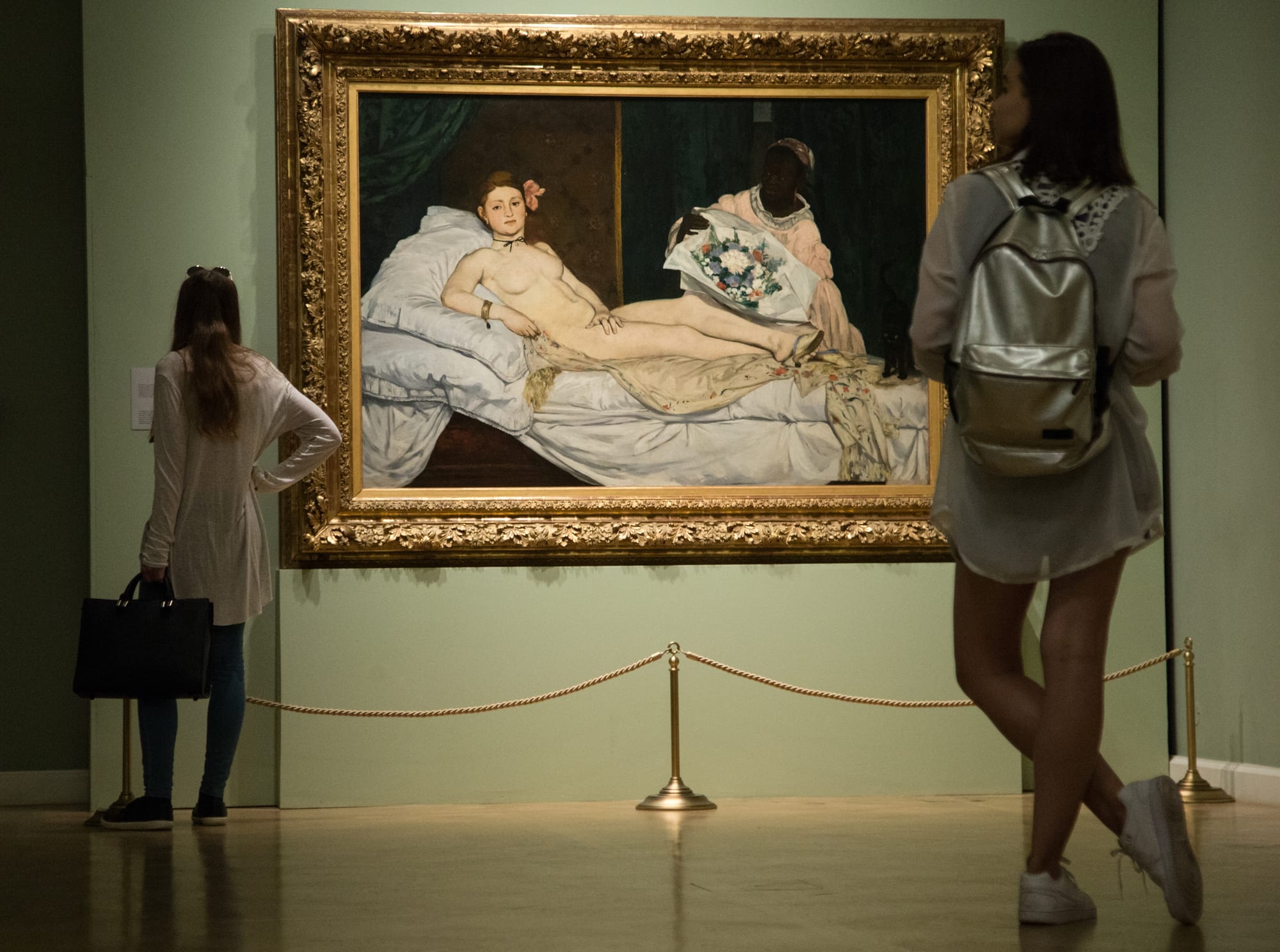
Édouard Manet's 'Olympia' (1863) features a black cat that has become a symbol of modernity and independence. The painting, which depicts a contemporary prostitute with her black maid and a black cat, sparked controversy at the Paris Salon in 1865 due to its subject matter and artistic style. The cat, with its arched back and luminous eyes, embodied the painting's rejection of academic conventions.
The black cat's association with modernity and independence emerged in the 19th century. After centuries of being linked to witchcraft and heresy, black cats began to be reclaimed by French artists and writers as symbols of desirable qualities. This shift coincided with a new bourgeois pet-keeping culture and a bohemian artistic movement that valued individualism and self-expression. The cat's independence and defiance resonated with the emerging language of modern art.
French writer and diplomat François-René de Chateaubriand praised the cat's independence, stating that the cat lives alone and has no need for society. This sentiment echoed the changing attitudes toward individualism and self-expression amid industrialization and urbanization. The black cat's eroticism and defiance became synonymous with modern art, reflecting the cultural shifts of the time.
Manet's 'Olympia' is not the only artwork to feature a black cat as a symbol of modernity. Other 19th-century artists and writers also incorporated black cats into their work, using them to represent independence and nonconformity. The black cat's transformation from a symbol of evil to a symbol of modernity reflects the changing attitudes toward individualism and self-expression in the 19th century.