NASA seeks commercial solutions for Hubble Space Telescope's future
 ··2 min read
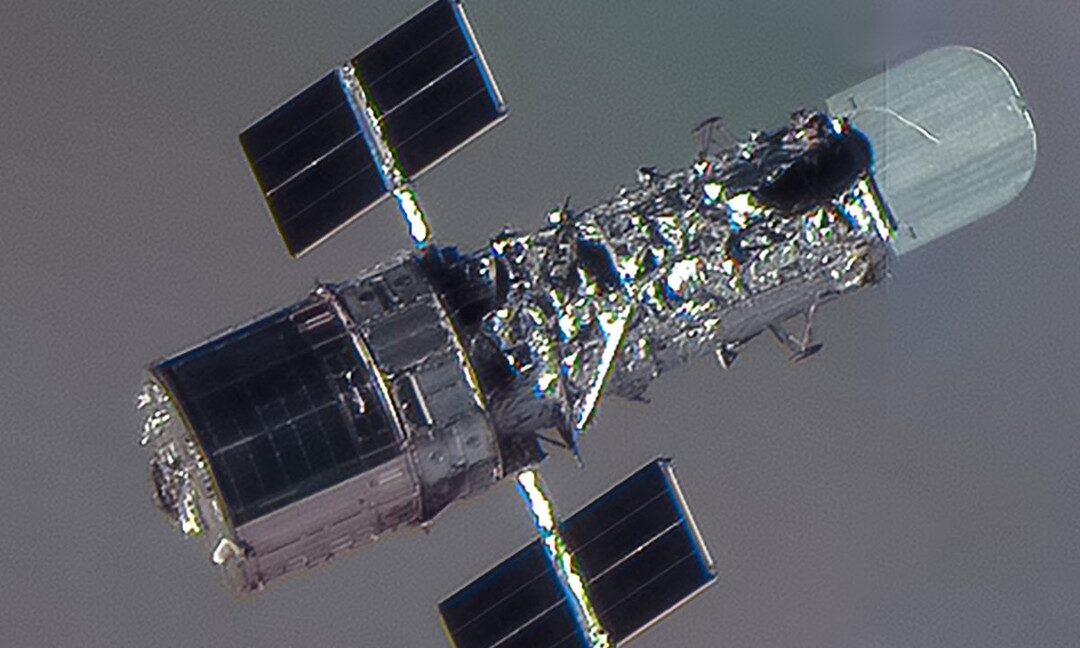
NASA has invited commercial companies to submit proposals for the future of the Hubble Space Telescope, which has been in orbit for 36 years. The telescope's orbit has been steadily decreasing since the last servicing mission in 2009, and without intervention, it is expected to re-enter Earth's atmosphere in the early-to-mid-2030s.
In a Request For Information (RFI) released on Thursday, NASA is seeking information about companies' current and near-term capabilities to address three key areas: boosting Hubble's orbit to at least 373 miles (600 km), enhancing the telescope's performance, or guiding it to a controlled reentry. The deadline for responses is November 30.
Hubble's orbit has been gradually decreasing since the final shuttle servicing flight in 2009, which did not include a reboost. With the retirement of the Space Shuttle fleet in 2011, there has been no means to raise the telescope's orbit or service its aging systems. NASA's RFI aims to explore commercial options for extending Hubble's lifespan or ensuring its safe disposal.
NASA is specifically interested in learning about companies' capabilities to capture Hubble and boost its altitude, as well as any innovative ideas for enhancing the telescope's performance. Additionally, the space agency is looking for proposals on how to guide Hubble to a controlled reentry, should that become the preferred option.
Hubble was last serviced in 2009, and since then, its orbit has been steadily decreasing. The telescope's instruments have been aging, and its systems are showing signs of wear and tear. NASA's RFI is an effort to explore commercial solutions for addressing these challenges and extending Hubble's scientific productivity.
NASA's RFI is part of a broader effort to engage the commercial sector in space exploration and scientific research. By inviting commercial companies to submit proposals, NASA aims to leverage innovative ideas and technologies to address the challenges posed by Hubble's aging systems and declining orbit.
Hubble has been a cornerstone of astronomical research since its launch in 1990, providing scientists with unprecedented views of the universe. The telescope has made numerous groundbreaking discoveries, including the acceleration of the universe's expansion and the detection of distant galaxies.
NASA's RFI is a significant step in ensuring that Hubble's legacy continues, either through extended scientific productivity or a controlled and safe disposal. The space agency is committed to preserving the scientific value of Hubble and exploring all viable options for its future.