
US Involvement in Flavio Bolsonaro's Departure from Brazil
 ··3 min read
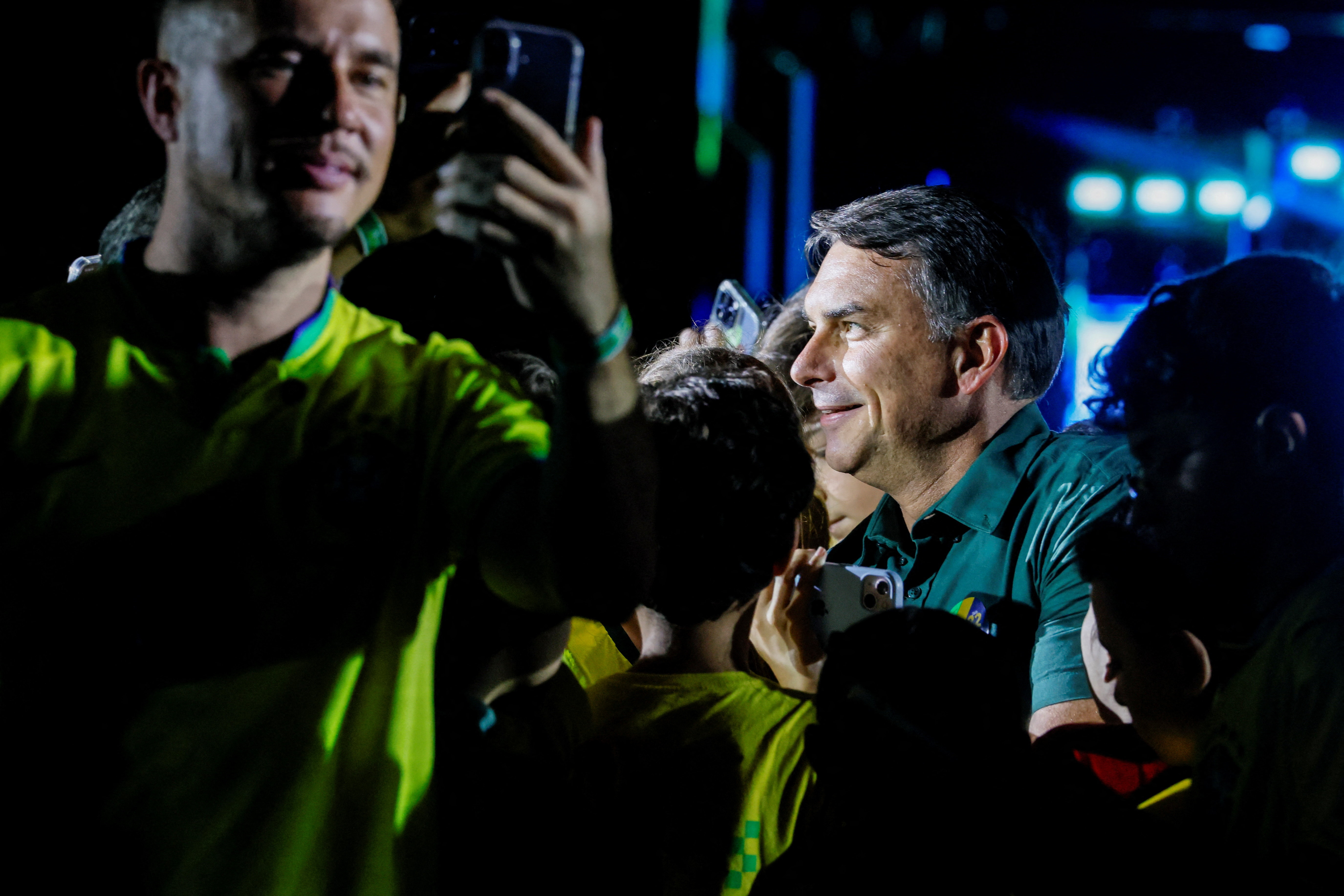
Senator Marco Rubio has stated that the United States was not directly involved in the departure of Flavio Bolsonaro from Brazil following the country's presidential election. The clarification comes amidst speculation about the role of the US in the former Brazilian lawmaker's relocation.
Rubio's statement was made in response to inquiries about the circumstances surrounding Bolsonaro's departure. The senator emphasized that while the US did not directly facilitate his exit, the country has maintained a stance of support for those seeking refuge from political turmoil.
Flavio Bolsonaro, the son of former Brazilian President Jair Bolsonaro, left Brazil after his father's defeat in the presidential election. The younger Bolsonaro has been a controversial figure in Brazilian politics, known for his outspoken views and legal entanglements.
US President Donald Trump has expressed support for the Bolsonaro family, stating that Flavio could remain in the US indefinitely if he chooses to do so. This stance has fueled further debate about the extent of US involvement in the political affairs of other countries.
The situation has drawn attention to the complex dynamics between the US and Brazil, two of the largest economies in the Western Hemisphere. The relationship between the two countries has been a subject of interest for many, given their shared history and strategic importance.
Critics have argued that the US should not interfere in the internal affairs of other nations, while supporters of the Bolsonaro family have praised the US for offering a safe haven. The debate highlights the delicate balance between national sovereignty and international support for political refugees.
As the situation continues to unfold, it remains to be seen how the US and Brazil will navigate their complex relationship in the coming months. The outcome could have significant implications for both countries and the broader region.
The departure of Flavio Bolsonaro from Brazil has sparked a range of reactions, from concern about political interference to praise for humanitarian support. The situation underscores the need for clear communication and transparency in international relations, particularly when it comes to matters of political asylum and refugee status.
In the meantime, the US continues to grapple with its own political challenges, including the aftermath of the 2020 presidential election and the transition of power. The situation in Brazil serves as a reminder of the interconnected nature of global politics and the importance of maintaining open lines of communication between nations.
As the world watches the developments in Brazil, the US, and other countries, it is clear that the issue of political asylum and refugee status will continue to be a contentious and complex topic. The actions of the US and Brazil in this matter could set a precedent for how other nations handle similar situations in the future.


