Kurdish Leader Abdullah Ocalan Moves to New Residence After 27 Years in Imrali Prison
 ··3 min read
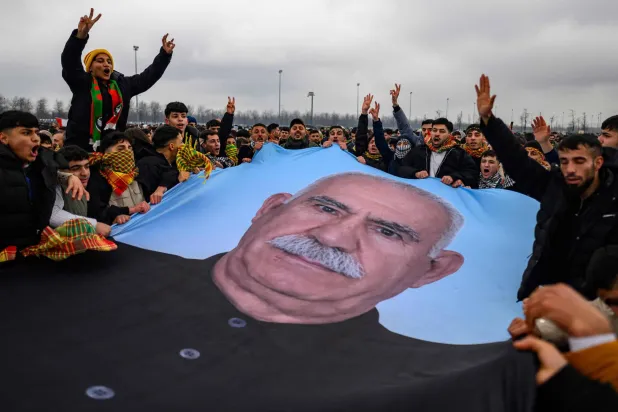
Abdullah Ocalan, the imprisoned leader of the Kurdistan Workers' Party (PKK), has been moved from his cell to a new residence on Imrali Island, Turkey, after 27 years in prison. The move, which occurred on 2023-08-20, marks a significant change in his living conditions. Ocalan was transferred to a specially constructed home on the island, where he will continue to serve his life sentence.
Ocalan, 75, has been incarcerated since 1999, when he was captured in Kenya. He was initially held in solitary confinement, but his conditions have gradually improved over the years. The new residence, located on the same island as the prison, offers more space and amenities than his previous cell. The move comes after years of negotiations and discussions between Ocalan's lawyers and Turkish authorities.
Ocalan's transfer has sparked a range of reactions from various political groups. Some Kurdish activists and supporters of the PKK view the move as a positive step, hoping it could lead to further improvements in Ocalan's conditions or even his eventual release. However, critics argue that the move is merely a cosmetic change and does not address the underlying issues of his imprisonment or the broader conflict in the region.
The Turkish government has maintained that Ocalan's imprisonment is a matter of national security and that his actions have caused significant harm to the country. The government has also stated that the move to the new residence is a result of Ocalan's advanced age and health concerns, aiming to provide him with more comfortable living conditions. The government has also emphasized that the move does not indicate any change in its stance on the PKK or the ongoing conflict in the region.
Ocalan's health has been a subject of concern for many years. He has suffered from various ailments, including heart problems and vision issues. His lawyers have repeatedly called for better medical care and more frequent visits from family members. The new residence is reported to have better facilities for medical treatment, which could address some of these concerns.
The PKK, designated as a terrorist organization by Turkey, the United States, and the European Union, has been involved in a long-standing conflict with the Turkish government. The group seeks greater autonomy for the Kurdish people in Turkey and has engaged in armed struggle against the state. Ocalan, as the founder and leader of the PKK, has been a central figure in this conflict. His imprisonment has been a contentious issue, with some viewing him as a political prisoner and others as a terrorist leader.
Ocalan's transfer to the new residence has also raised questions about the future of the peace process in the region. Some hope that this move could be a step towards renewed negotiations and a potential resolution to the conflict. However, others are skeptical, citing the long history of failed peace talks and the deep-rooted tensions between the Kurdish population and the Turkish government.
The Turkish government has faced criticism from international human rights organizations regarding Ocalan's imprisonment. These organizations have called for improved conditions and greater transparency in his treatment. The move to the new residence has been seen by some as a response to these criticisms, although the extent to which it addresses the concerns remains a subject of debate.
Ocalan's lawyers have stated that they will continue to advocate for their client's rights and push for further improvements in his conditions. They have also expressed hope that the new residence could serve as a platform for renewed dialogue and a potential path to peace. However, they have also cautioned that much work remains to be done to address the underlying issues of the conflict and ensure a just and lasting resolution.