Iran Warns of Prolonged Conflict as Tensions Rise with US and Israel
 ··4 min read
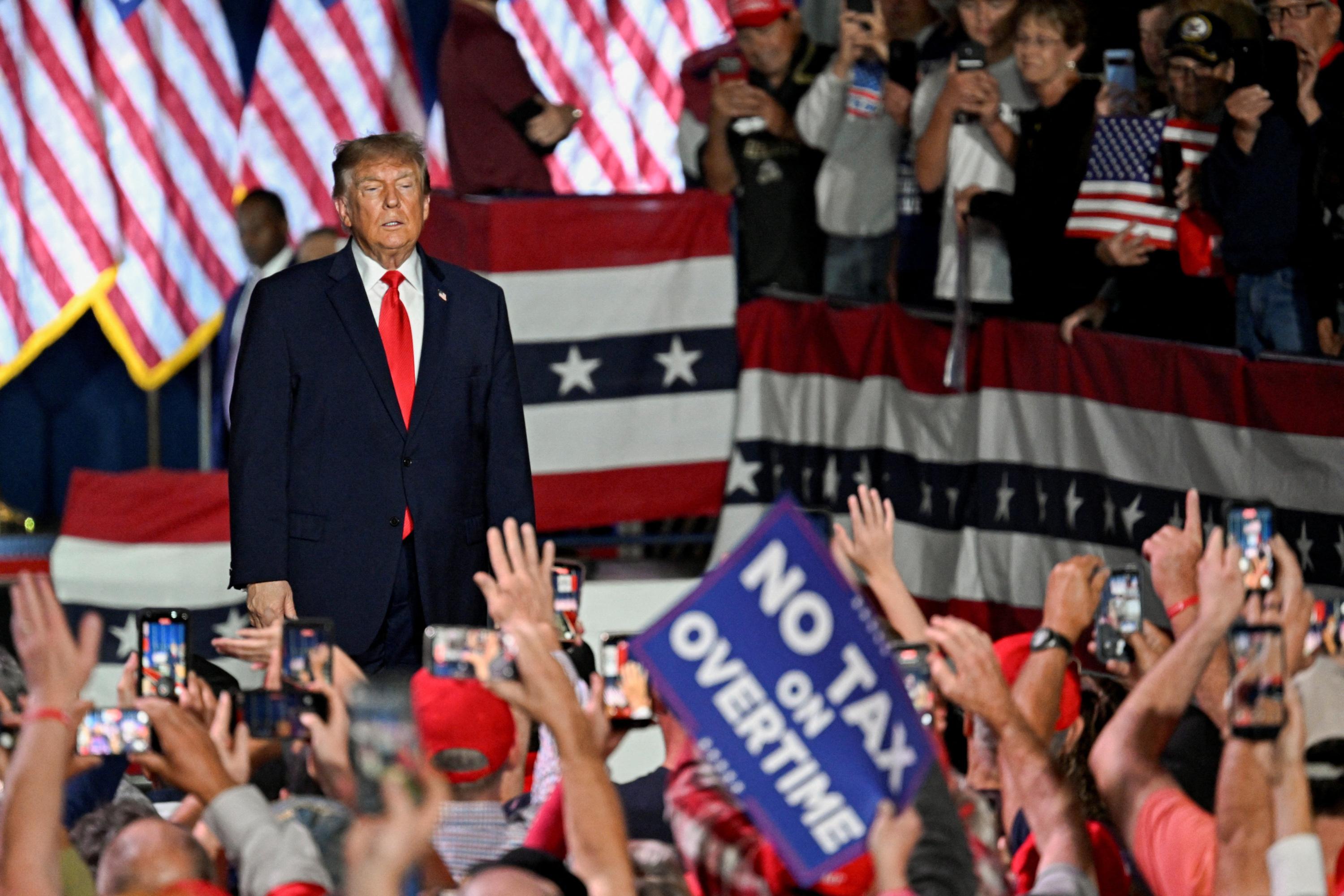
Iran has cautioned that any new conflict could be prolonged, as tensions with the United States and Israel continue to rise. The warning comes amid heightened military preparations and diplomatic exchanges. The U.S. and Israel have been engaged in discussions regarding potential military operations, while Iran has been bolstering its military readiness.
On Saturday, U.S. President Donald Trump and Israeli Prime Minister Benjamin Netanyahu held a phone call to discuss the possibility and timing of escalating military operations. This conversation occurred as Iran has been actively preparing for potential conflict, including conducting military exercises and bolstering its defenses. Iran's military exercises have been extensive, involving various branches of its armed forces and focusing on different strategic locations. These preparations have been ongoing for several weeks, with Iran's military leadership emphasizing the importance of readiness in the face of potential threats.
In response to the escalating tensions, Iran has also been engaging in diplomatic efforts to rally support from other countries in the region. Iran has been actively seeking to strengthen its alliances and diplomatic ties, particularly with countries that share its concerns about U.S. and Israeli actions. These diplomatic efforts have included high-level meetings and exchanges with regional leaders, as well as public statements aimed at garnering international support. Iran's diplomatic initiatives have been met with varying degrees of success, with some countries expressing solidarity while others have been more cautious in their responses.
The U.S. has been closely monitoring Iran's military activities and has been conducting its own military preparations. The U.S. has deployed additional military assets to the region, including aircraft carriers and other naval vessels, as well as ground troops and air defense systems. The U.S. military presence in the region has been a point of contention, with Iran viewing it as a provocative move that could escalate tensions further. The U.S. has maintained that its military deployments are defensive in nature and aimed at deterring potential Iranian aggression.
Israel, meanwhile, has been conducting its own military exercises and has been on high alert in anticipation of potential conflict. Israel's military has been preparing for various scenarios, including the possibility of a prolonged conflict with Iran. Israel has been bolstering its defenses and has been conducting military drills to enhance its readiness. Israel's military leadership has emphasized the importance of preparedness in the face of potential threats, particularly from Iran. Israel has also been engaging in diplomatic efforts to rally support from other countries in the region, particularly from Arab states that share its concerns about Iran's activities.
Despite the escalating tensions, there have been calls for diplomatic solutions to the crisis. Various international actors, including the United Nations and European countries, have urged all parties to exercise restraint and to seek diplomatic solutions to the conflict. These calls have been met with mixed responses, with some countries expressing support for diplomatic efforts while others have been more focused on military preparedness. The situation remains fluid, with the potential for further escalation or de-escalation depending on the actions of all parties involved.
The current situation has raised concerns about the potential for a broader regional conflict, with the involvement of multiple actors and the potential for significant casualties. The escalating tensions have also raised questions about the effectiveness of diplomatic efforts in resolving the crisis and the potential for a prolonged conflict. The situation remains tense, with all parties closely monitoring developments and preparing for various scenarios.
As the situation continues to evolve, the international community is closely watching the developments in the region. The potential for a new conflict has raised concerns about the stability of the region and the potential for broader implications. The situation remains fluid, with the potential for further escalation or de-escalation depending on the actions of all parties involved. The international community is calling for restraint and diplomatic solutions to the crisis, but the situation remains tense and uncertain.