Hong Kong Activist Joshua Wong Faces New Sentencing
 ··3 min read
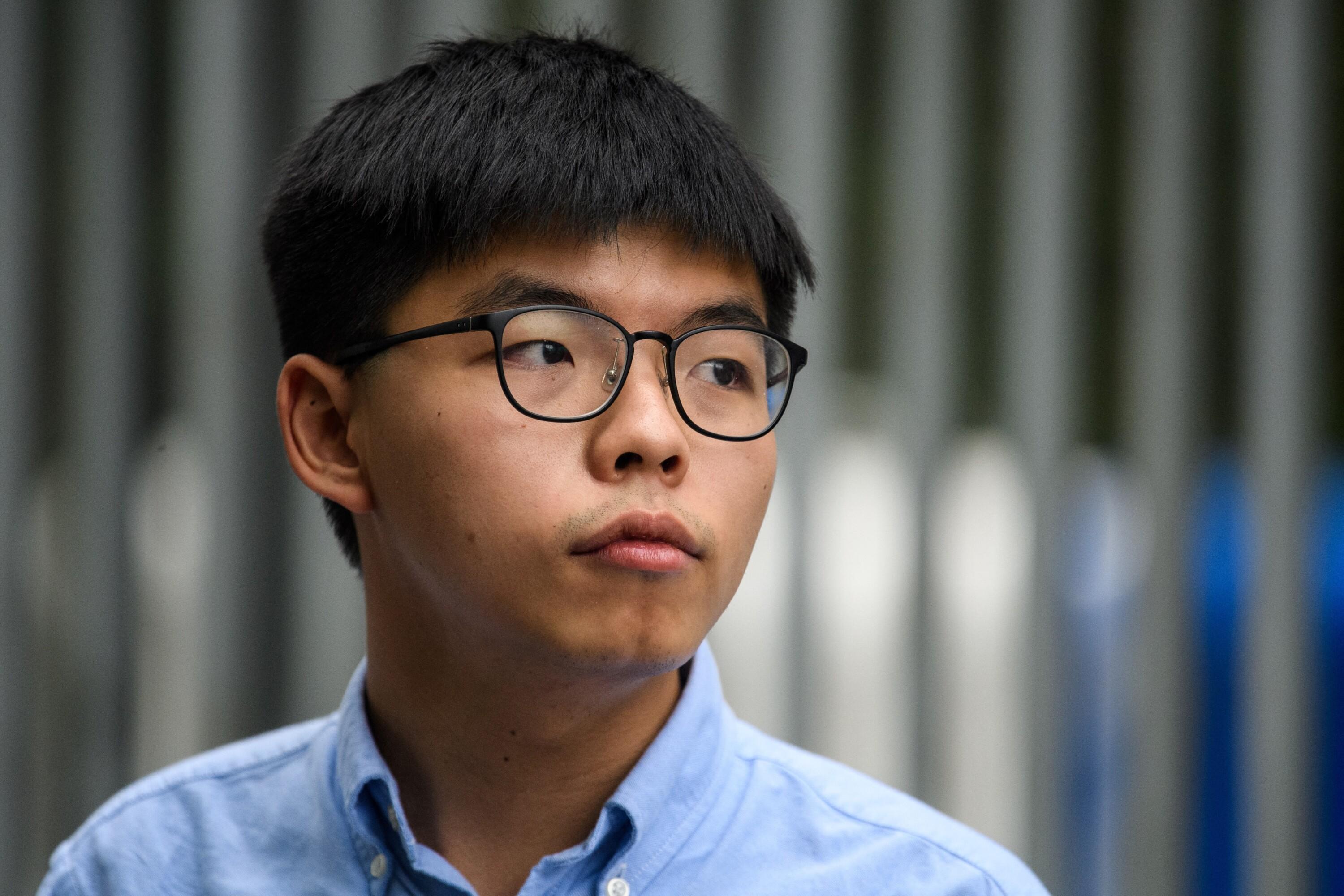
Hong Kong pro-democracy activist Joshua Wong is set to learn his new sentence on Thursday, following his guilty plea to additional charges of collusion with foreign entities.
Wong, a prominent figure in Hong Kong's pro-democracy movement, is currently serving a nearly five-year prison sentence for subversion. This sentence, handed down in December 2021, was the result of his involvement in the 2019 pro-democracy protests, which were marked by widespread unrest and calls for greater democratic freedoms in the city.
His new sentencing comes after he pleaded guilty to charges of collusion with foreign entities, which were brought under the National Security Law. This law, imposed by Beijing in 2020, has been widely criticized for its broad scope and potential to stifle dissent. The charges against Wong relate to his alleged contacts with foreign governments and organizations, which the Hong Kong authorities claim were aimed at undermining the city's stability and security.
Wong's legal team has argued that his actions were motivated by a desire to promote democratic values and protect human rights, rather than any intent to collude with foreign powers. They have also raised concerns about the fairness of the trial and the potential for political bias in the judicial process. The defense has called for leniency, citing Wong's young age and the fact that he has already served a significant portion of his previous sentence.
The sentencing of Joshua Wong is expected to have significant implications for the pro-democracy movement in Hong Kong. His case has drawn international attention and has been seen as a test of the city's commitment to the rule of law and human rights. The outcome of his trial could set a precedent for how other activists and dissenters are treated under the National Security Law.
Wong's supporters have expressed concern that the new charges and sentencing are part of a broader crackdown on political dissent in Hong Kong. They argue that the National Security Law has been used to silence critics and suppress political opposition, creating a climate of fear and self-censorship. The Hong Kong authorities, however, maintain that the law is necessary to maintain public order and protect national security.
The sentencing of Joshua Wong comes at a time of heightened tensions between Hong Kong and the international community. The United States, the European Union, and other countries have expressed concern about the erosion of democratic freedoms in Hong Kong and have imposed sanctions on officials deemed responsible for human rights abuses. The Hong Kong government has rejected these criticisms, asserting that the city's affairs are an internal matter and that it is committed to upholding the rule of law.
As Wong awaits his new sentence, the international community will be watching closely. His case has become a symbol of the broader struggle for democratic freedoms in Hong Kong, and the outcome of his trial could have far-reaching implications for the city's political future. The sentencing on Thursday will be a critical moment in this ongoing saga, and the world will be watching to see how the Hong Kong authorities handle this high-profile case.