U.S. Nuclear Option in Iran: Implications and Uncertainties
 ··3 min read
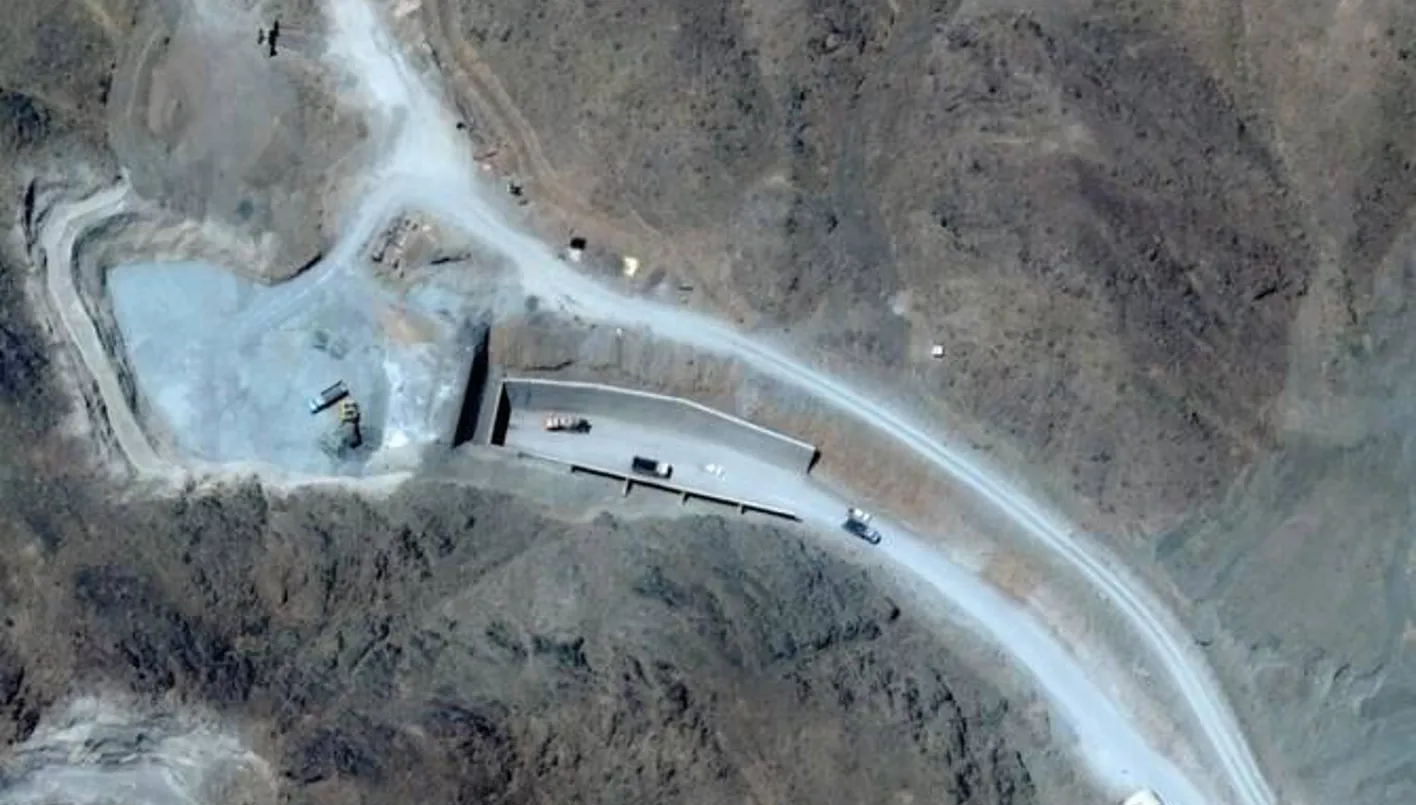
The United States is reportedly considering the use of nuclear weapons against Iran, according to media reports, raising questions about the potential global impact.
The scenario, reminiscent of the 1945 bombings of Hiroshima and Nagasaki, was discussed by American journalist Tucker Carlson, who cited unnamed sources suggesting that Israeli Prime Minister Benjamin Netanyahu is pressuring U.S. President Donald Trump to target a heavily fortified Iranian site, known as Mount Fax, near Natanz, with nuclear weapons.
This development comes amid reports of actual U.S. military preparations to strike Iranian facilities, with concerns about the effectiveness of conventional weapons against heavily fortified targets. The transition to nuclear options, however, carries significant implications that extend beyond Iran's nuclear program, potentially leading to military, political, and economic repercussions for the U.S. and the world.
Carlson's narrative is based on information attributed to unnamed sources, indicating that Netanyahu is urging Trump to consider a nuclear strike. However, Vice President Mike Pence and envoy Steve Biegun are reportedly advocating for a negotiated settlement. There is no conclusive evidence that the nuclear option is actively being considered by the U.S. administration.
Reports from Axios reveal a conversation between Trump and Netanyahu, where the Israeli Prime Minister pushed for a post-election strike, while Trump preferred to allow more time for negotiations. Trump himself, in an interview with Newsmax, ruled out the use of nuclear weapons, stating that the U.S. does not need them. However, he also mentioned the possibility of striking Mount Fax to quickly disable the facility.
These statements suggest a complex calculus by the U.S. president, who aims to prevent Iran from restoring its nuclear capabilities while avoiding a prolonged war that could strain the U.S. economy and increase administrative burdens. The threat of nuclear force could be a means to extract concessions during negotiations, especially with ongoing Qatari mediation efforts.
The U.S. president has the authority to order the use of nuclear weapons without prior congressional approval. The declared U.S. nuclear doctrine reserves the right to first use in exceptional circumstances to defend vital U.S. and allied interests. Carlson's claim that the administration has secretly lowered the threshold for nuclear use since February lacks official documentation.
The strategic importance of Mount Fax lies in its role as a key component of Iran's nuclear program, making it a high-priority target for potential strikes. The site is heavily fortified, raising questions about the effectiveness of conventional weapons and the potential necessity of nuclear options.
Despite the speculation, there is no concrete evidence that the U.S. is actively planning to use nuclear weapons against Iran. The situation remains fluid, with ongoing diplomatic efforts and military preparations adding to the uncertainty. The potential use of nuclear weapons would have far-reaching consequences, affecting global security, regional stability, and international relations.