Israel Opens Diplomatic Mission in Somaliland
 ··3 min read
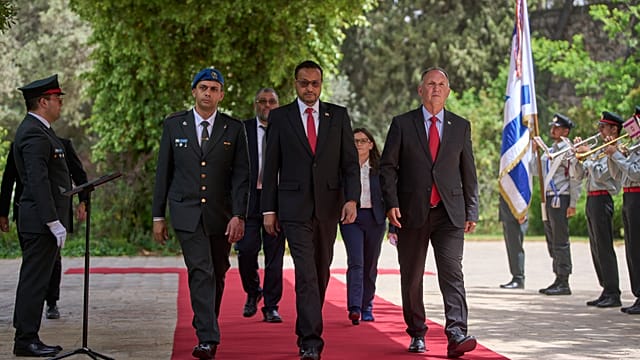
Israel has opened its first diplomatic mission in Somaliland, with the presentation of credentials by its ambassador to President Abdirahman Mohamed Abdullahi in Hargeisa. The ceremony also saw the laying of the cornerstone for a new Israeli embassy in the region.
The ambassador's presentation of credentials to President Abdullahi, also known as Cirro, signifies a formal recognition of the diplomatic ties between the two entities. This move comes as part of a broader strategy by Israel to expand its diplomatic presence in the Horn of Africa, a region of strategic importance due to its geopolitical and economic significance.
Somaliland, which declared independence from Somalia in 1991 but remains unrecognized by the international community, has been actively seeking diplomatic recognition and support. The establishment of an Israeli embassy in Hargeisa is seen as a significant step towards enhancing Somaliland's international standing and fostering bilateral relations with Israel.
The decision to open an embassy in Somaliland aligns with Israel's broader foreign policy objectives in the region. Israel has been increasingly engaged in the Horn of Africa, establishing diplomatic relations with several countries in the region, including Ethiopia, Kenya, and Sudan. This diplomatic outreach is part of Israel's efforts to counterbalance its regional isolation and to build strategic alliances.
Somaliland's strategic location on the Gulf of Aden, a crucial maritime route for global trade, makes it an attractive partner for Israel. The region's stability and security are vital for ensuring the safe passage of goods and resources through the Red Sea and the Suez Canal. By establishing a diplomatic presence in Somaliland, Israel aims to enhance its maritime security and protect its interests in the region.
Moreover, the move is expected to have significant economic implications for Somaliland. The establishment of an Israeli embassy could attract foreign investment, promote trade, and facilitate technological cooperation. Israel's expertise in agriculture, water management, and renewable energy could be particularly beneficial for Somaliland, which faces challenges in these areas.
The diplomatic engagement between Israel and Somaliland also has broader implications for the geopolitics of the Horn of Africa. The region has long been a hotbed of conflict and instability, with various actors vying for influence. Israel's presence in Somaliland could potentially alter the balance of power in the region, influencing the dynamics of regional politics and security.
The move has been met with mixed reactions from the international community. While some countries have welcomed the diplomatic engagement, others have expressed concern about the potential implications for regional stability. The United Nations and other international organizations have called for a peaceful resolution of the conflict in the Horn of Africa and have urged all parties to respect international law and the sovereignty of states.
In response to the concerns, Israeli officials have emphasized that the establishment of the embassy is a sovereign decision and that it aims to promote peace, stability, and economic development in the region. They have also reiterated their commitment to supporting the sovereignty and territorial integrity of Somaliland, while respecting the international community's concerns and calls for dialogue.