US-Iran Tensions: Trump Signals Potential Deal
 ··3 min read
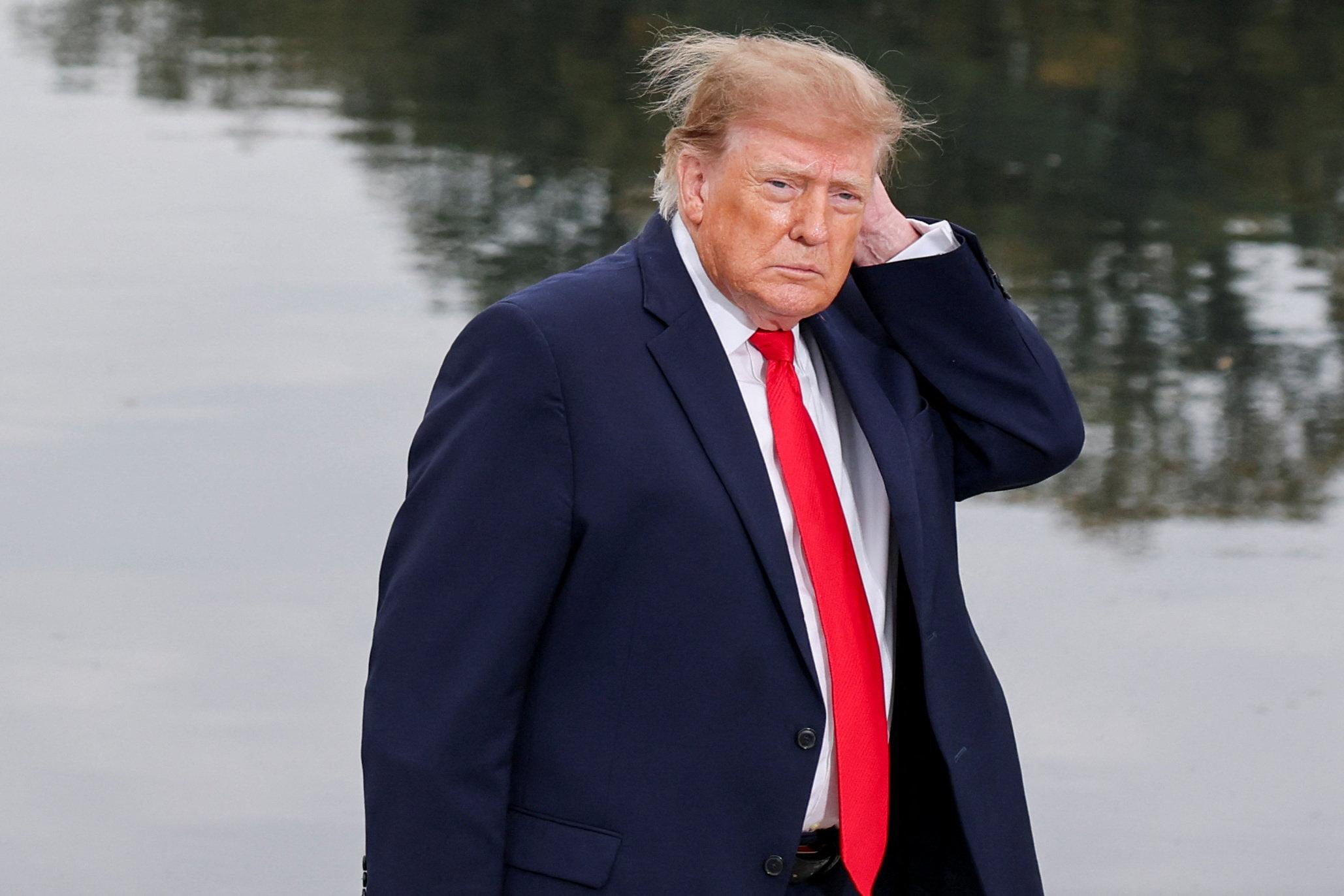
US President Donald Trump has indicated that a deal with Iran could be on the horizon, despite previous threats of escalation. This comes after months of heightened tensions between the two nations.
Trump's remarks suggest a shift in the US stance towards Iran. Earlier, he had threatened to strike Iran with severe consequences if it continued its nuclear activities. However, his recent statements indicate a willingness to engage in diplomatic efforts.
This potential shift in policy comes amidst growing concerns over Iran's nuclear program and regional influence. The US has long accused Iran of pursuing nuclear weapons, a claim Tehran denies, insisting its program is for peaceful purposes.
Trump's comments also follow a period of increased military activity in the Middle East. The US has deployed additional troops and military assets to the region in response to perceived threats from Iran. This includes the deployment of an aircraft carrier strike group and B-52 bombers to the Persian Gulf.
Iran, for its part, has also shown signs of escalation. It has increased its uranium enrichment activities and threatened to restart its heavy water reactor at Arak, which can produce plutonium. These actions have raised alarms in the international community, with many countries expressing concern over the potential for a nuclear arms race in the Middle East.
Despite these tensions, there have been some efforts at diplomacy. The US and Iran have held several rounds of talks in recent months, although these have not yet resulted in a breakthrough. The European Union has also been involved in these efforts, acting as a mediator between the two sides.
If a deal is reached, it could have significant implications for the region and the world. It could potentially ease tensions in the Middle East, which has been a hotbed of conflict for decades. It could also have a significant impact on global oil markets, as Iran is a major producer of crude oil.
The potential deal also comes at a time of heightened tensions between the US and Iran. The US has imposed strict sanctions on Iran, which have had a significant impact on its economy. Iran, in turn, has threatened to retaliate against the US and its allies in the region.
However, the path to a deal is fraught with challenges. There are deep-seated mistrust and animosity between the two nations, and any agreement would need to address a wide range of issues, including Iran's nuclear program, its regional influence, and its support for militant groups.
Moreover, there are significant domestic political considerations in both countries. In the US, Trump faces opposition from hardliners in his own party who oppose any form of engagement with Iran. In Iran, hardliners also oppose any deal that would involve concessions on its nuclear program or regional influence.
Despite these challenges, Trump's comments suggest a willingness to engage in diplomacy. This could be a significant step towards easing tensions in the Middle East and preventing a potential conflict. However, it remains to be seen whether these efforts will bear fruit and whether a deal can be reached that satisfies both sides.