
Libya's Oil: A Potential Lever for Political Resolution
 ··2 min read
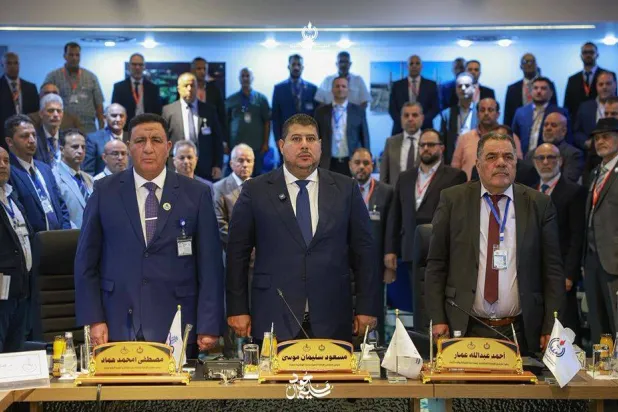
Libya's oil resources are increasingly being seen as a potential lever to push competing factions towards political resolution, as regional and international initiatives to end the political division have stalled.
Libya has been grappling with political instability and division since the overthrow of Muammar Gaddafi in 2011. The country's oil resources, which are crucial to its economy, have often been at the center of power struggles.
Oil production in Libya has been volatile, with frequent disruptions due to conflicts and political disagreements. Despite this, Libya holds significant oil reserves, making it a key player in global energy markets.
Recent discussions have focused on how Libya's oil wealth could be used as a bargaining chip to encourage rival factions to engage in meaningful dialogue and reach a political settlement.
The idea is to create incentives for the various factions to work together, rather than allowing oil to be a source of further conflict. This approach aims to transform the oil sector into a tool for stability and economic development.
However, implementing such a strategy is fraught with challenges. The political landscape in Libya is complex, with multiple factions vying for control.
Additionally, the international community, including key players like the United Nations, has been involved in various mediation efforts, but progress has been slow.
Despite the challenges, there is a growing recognition that leveraging Libya's oil resources could be a crucial step towards achieving lasting peace and stability.
Oil production in Libya has been volatile, with frequent disruptions due to conflicts and political disagreements.
Despite this, Libya holds significant oil reserves, making it a key player in global energy markets.
Recent discussions have focused on how Libya's oil wealth could be used as a bargaining chip to encourage rival factions to engage in meaningful dialogue and reach a political settlement.
The idea is to create incentives for the various factions to work together, rather than allowing oil to be a source of further conflict.
This approach aims to transform the oil sector into a tool for stability and economic development.
However, implementing such a strategy is fraught with challenges. The political landscape in Libya is complex, with multiple factions vying for control.
Additionally, the international community, including key players like the United Nations, has been involved in various mediation efforts, but progress has been slow.
Despite the challenges, there is a growing recognition that leveraging Libya's oil resources could be a crucial step towards achieving lasting peace and stability.


