Tunisia's Industrial Expertise: A Potential Driver for African Economic Cooperation
 ··2 min read
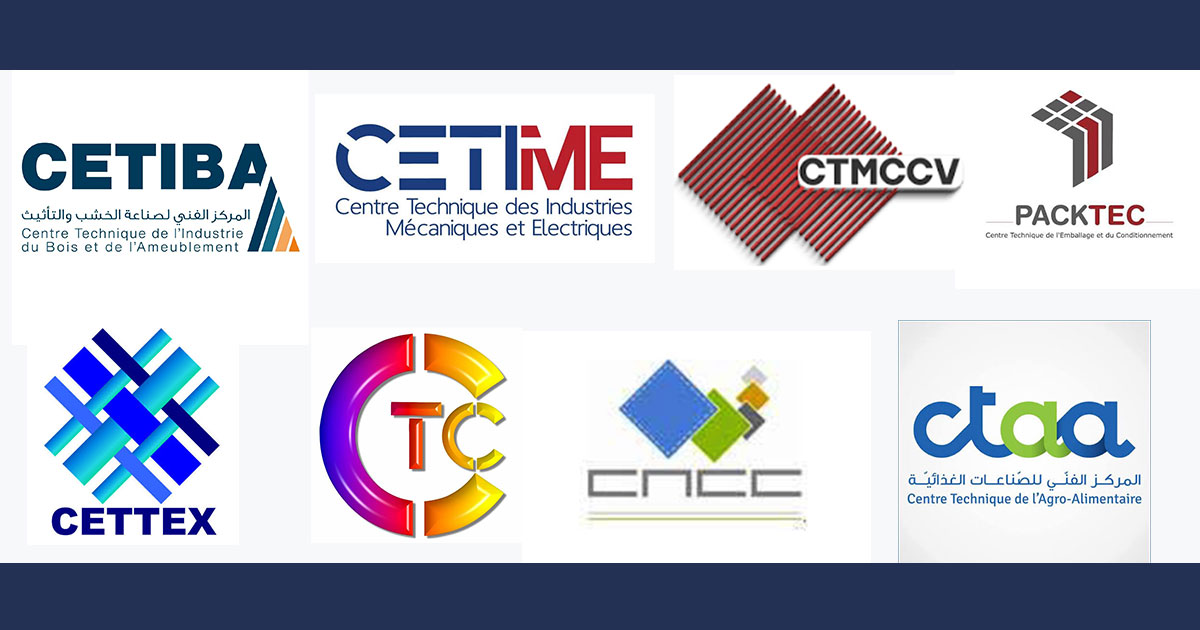
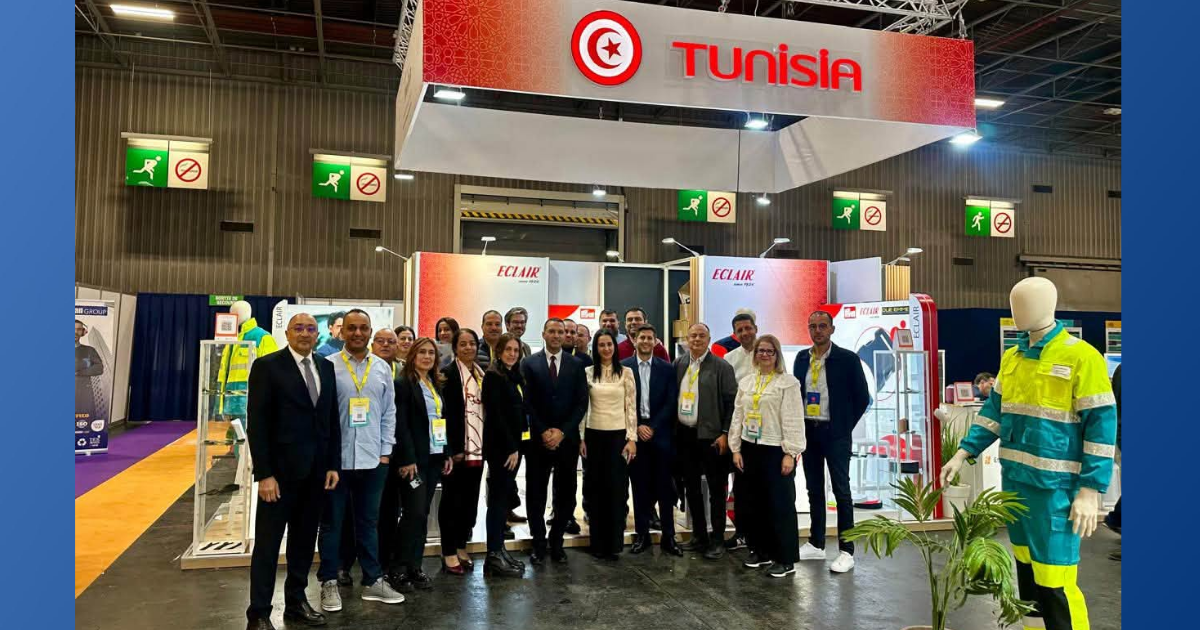
Tunisia's network of eight sectorial industrial technical centers is poised to become a significant player in African economic cooperation. These centers, which have long supported Tunisian industries, are now looking to expand their reach across the continent. The challenge lies in balancing international outreach with maintaining domestic missions and expertise.
The eight centers—Cetiba, Cetime, CTC, Cettex, CNCC, CTAA, CTMCCV, and Packtec—offer a range of services including diagnostics, testing, quality certification, training, and technical assistance. These services have been instrumental in supporting Tunisian industries for generations. However, the African continent, with its growing economies, presents a new opportunity for these centers to leverage their expertise.
The proposed Tunisia Industrial Expertise (TIE) platform aims to facilitate this expansion. The platform would centralize efforts in prospecting, offer development, contract management, and expert mobilization. This approach could be extended to other Tunisian structures with complementary skills, particularly in telecommunications and digital technologies.
One of the key challenges is ensuring that the international expansion does not compromise the domestic missions of these centers or the career paths of their experts. The goal is to transform Tunisia's expertise into a driver for cooperation, innovation, and economic influence. This involves creating a sustainable model that benefits both Tunisia and the African countries receiving the expertise.
To achieve this, the centers must address several operational and strategic issues. Firstly, they need to enhance their marketing and communication strategies to better promote their capabilities and services to African markets. Secondly, they must develop partnerships with local African institutions and industries to ensure that their expertise is well-received and effectively utilized.
Moreover, the centers must invest in capacity building and training programs to equip their experts with the necessary skills to operate in diverse African contexts. This includes understanding local regulations, cultural nuances, and market dynamics. Additionally, they need to foster a culture of innovation and continuous improvement to stay competitive in the global market.
The Tunisian government and private sector also have a crucial role to play. They must provide the necessary support, including financial resources and policy frameworks, to enable the centers to expand their international operations. This support could include grants, low-interest loans, and tax incentives to encourage investment in international projects.
In conclusion, Tunisia's industrial technical centers have the potential to become a significant driver of economic cooperation in Africa. However, realizing this potential requires a strategic and well-coordinated approach. The proposed TIE platform offers a promising avenue for achieving this goal, but its success will depend on the centers' ability to address the challenges and leverage the opportunities presented by the African market.