Tunisia: Debate Erupts Over Polygamy Proposal
 ··3 min read
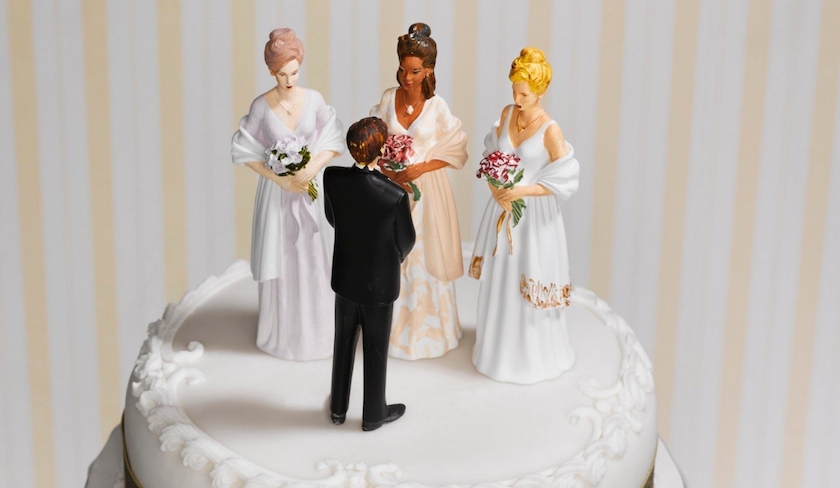
Tunisia is grappling with a contentious debate on polygamy after a lawmaker proposed re-introducing the practice, which was banned in 1956. The proposal has ignited a national conversation about women's rights and societal values.
The controversy began when a member of the Tunisian parliament, Abdessattar Zarai, suggested holding a referendum to amend the Personal Status Code and reinstate polygamy. This proposal has sparked widespread criticism and protests.
The National Observatory for the Defense of Civil Statehood, a prominent Tunisian NGO, strongly condemned the proposal. The organization described it as an attempt to reverse ideological progress and undermine the country's commitment to gender equality.
Critics argue that reintroducing polygamy would undermine women's rights and reverse decades of progress in gender equality. They point to the Personal Status Code, which was enacted in 1956 and is considered a cornerstone of Tunisian society, as a key achievement in women's rights.
The Personal Status Code, also known as the Code du Statut Personnel, was introduced by Habib Bourguiba, Tunisia's first president. It granted women significant legal rights, including the right to initiate divorce, and abolished polygamy. The code has been praised internationally for its progressive stance on women's rights.
Supporters of the proposal argue that polygamy should be a personal choice and that the ban infringes on religious freedoms. They contend that the current law does not align with the religious beliefs of some Tunisians, who see polygamy as a permissible practice under Islamic law.
Opponents counter that allowing polygamy would lead to social inequality and further marginalize women. They argue that the practice would exacerbate existing gender disparities and create a system where women are treated as second-class citizens.
The debate has also highlighted broader issues within Tunisian society, including the role of religion in governance and the balance between personal freedoms and societal norms. Some argue that the proposal reflects a deeper struggle between conservative and progressive values within the country.
In response to the controversy, the Tunisian government has remained largely silent, neither endorsing nor rejecting the proposal. This silence has been interpreted by some as a tacit approval, while others see it as a sign of the government's reluctance to engage in a contentious debate.
The debate has also sparked discussions about the role of referendums in democratic decision-making. Critics argue that holding a referendum on such a sensitive issue could further polarize society and lead to social unrest.
Women's rights activists have been at the forefront of the opposition, organizing protests and rallies to voice their concerns. They argue that the proposal is a direct attack on women's rights and a step backward for Tunisian society.
The controversy has also drawn international attention, with human rights organizations and international bodies expressing concern over the potential reversal of women's rights in Tunisia. The United Nations and other international organizations have called on the Tunisian government to uphold its commitments to gender equality and women's rights.
As the debate continues, Tunisia finds itself at a crossroads, grappling with the complexities of balancing religious freedoms, personal choices, and the protection of women's rights. The outcome of this debate will have significant implications for the future of gender equality in the country and could set a precedent for other nations in the region.