Tunisia Eases Name Change Process for Citizens
 ··2 min read
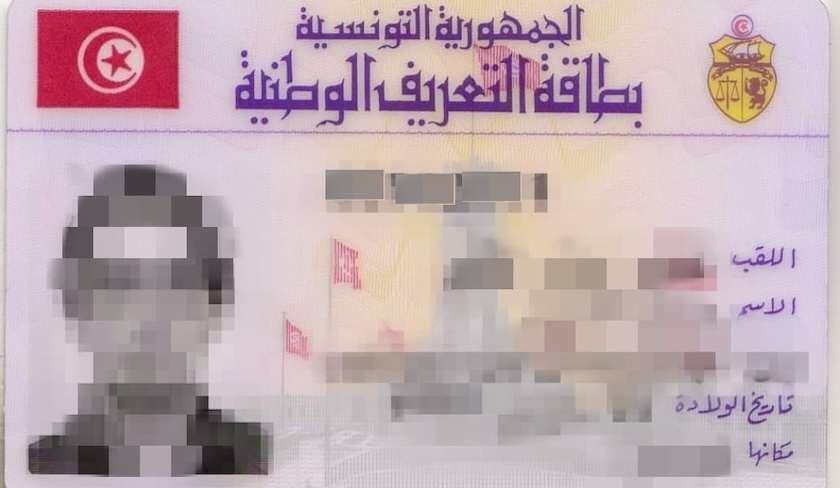
Tunisia has introduced a new legal framework allowing citizens to change their names more easily, addressing issues that can cause social stigma, difficulty in pronunciation, or embarrassment. The new law, which came into effect in 2023, aims to provide a more straightforward process for those seeking to alter their given names.
The Tunisian government has recognized that names can often be a source of pride and heritage, but they can also become a burden. Names that are difficult to pronounce, carry embarrassing meanings, or lead to repeated humiliation can significantly impact an individual's life. The new legislation seeks to mitigate these challenges by streamlining the name change process.
The process involves submitting an application to the relevant authorities, who will review the request based on specified criteria. The criteria include the difficulty of pronunciation, the negative connotations of the name, and the impact on the individual's social and professional life. The authorities will then make a decision based on these factors, ensuring that the change is justified and appropriate.
This new law is part of a broader effort by the Tunisian government to modernize its legal system and address various social issues. The government has been working on several reforms to improve the lives of its citizens, including changes to family law, labor laws, and other areas that affect daily life. The name change process is just one of the many initiatives aimed at creating a more inclusive and supportive society.
The implementation of this law has been met with positive feedback from the public. Many citizens have expressed relief and gratitude for the opportunity to change their names, which they believe will improve their quality of life. The new process is seen as a step forward in addressing social issues that have long been overlooked.
However, there are concerns about the potential misuse of the law. Critics worry that some individuals may seek to change their names for reasons other than those specified, such as evading legal responsibilities or hiding from past actions. The government has assured the public that the process will be closely monitored to prevent such misuse and ensure that the changes are made for legitimate reasons.
The Tunisian government has also emphasized the importance of cultural sensitivity in the implementation of this law. The authorities will consider the cultural and social implications of name changes, ensuring that the process respects the diverse backgrounds and traditions of the Tunisian people. This approach aims to balance the need for individual freedom with the preservation of cultural heritage.