Romantic Films Misrepresent Love, Says Algerian Sociologist
 ··3 min read
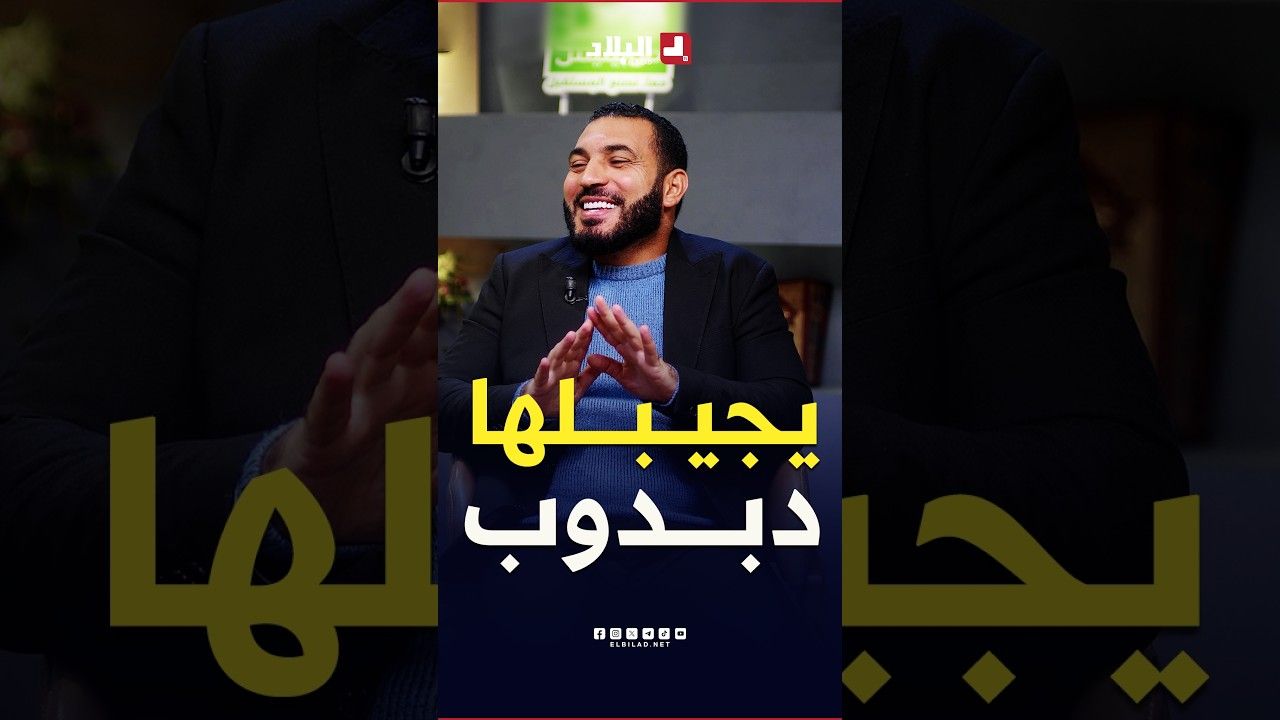
In a recent interview, Algerian sociologist Adham Sharqawi criticized the portrayal of love in romantic films, asserting that these films misrepresent the reality of relationships and contribute to unrealistic expectations among couples.
Sharqawi argued that the romantic narratives often depicted in films create a distorted image of love, leading many to believe in an idealized version of relationships. He pointed out that these portrayals often overlook the complexities and challenges that come with real-life partnerships.
According to Sharqawi, the misrepresentation of love in films can lead to significant issues in marriages and relationships. He noted that couples often face difficulties when their expectations, shaped by romantic films, do not align with the realities of their own relationships. This disconnect can result in misunderstandings, conflicts, and even separations.
Sharqawi emphasized the importance of understanding the true nature of love and relationships. He suggested that couples should focus on building strong foundations based on mutual respect, communication, and understanding rather than relying on the unrealistic standards set by romantic films.
He also highlighted the role of societal influences in shaping perceptions of love. Sharqawi mentioned that media, including romantic films, plays a significant role in molding societal norms and expectations. He urged for a more realistic and balanced portrayal of love and relationships in media to help individuals form healthier and more sustainable partnerships.
Sharqawi's comments come at a time when discussions about the impact of media on societal values are gaining traction. His insights provide a critical perspective on how media representations can influence personal and relational dynamics.
In response to the criticism, some filmmakers and industry professionals have acknowledged the need for more nuanced and realistic portrayals of love in films. They have begun to incorporate more complex narratives that reflect the true nature of relationships, including their challenges and triumphs.
However, the shift towards more realistic portrayals is not without its challenges. Many filmmakers argue that romantic films are a form of escapism and entertainment, and that audiences expect a certain level of idealization. Balancing the need for realism with the demand for escapism remains a contentious issue in the industry.
Despite the challenges, there is a growing recognition of the importance of realistic portrayals of love and relationships in media. Sharqawi's critique serves as a reminder of the impact that media can have on societal perceptions and the need for more authentic and balanced representations.
As the debate continues, it is clear that the portrayal of love in romantic films will remain a topic of interest and discussion. The industry's response to this critique will shape the future of romantic narratives and their impact on audiences worldwide.
In conclusion, Adham Sharqawi's critique of romantic films highlights the need for a more realistic and balanced portrayal of love and relationships in media. His insights provide valuable perspectives on the impact of media representations on societal values and personal dynamics. As the industry continues to evolve, it is essential to consider the role of media in shaping perceptions and the importance of authentic and balanced portrayals.