Israel's Election: A New Political Era for Mizrahi Jews
 ··3 min read
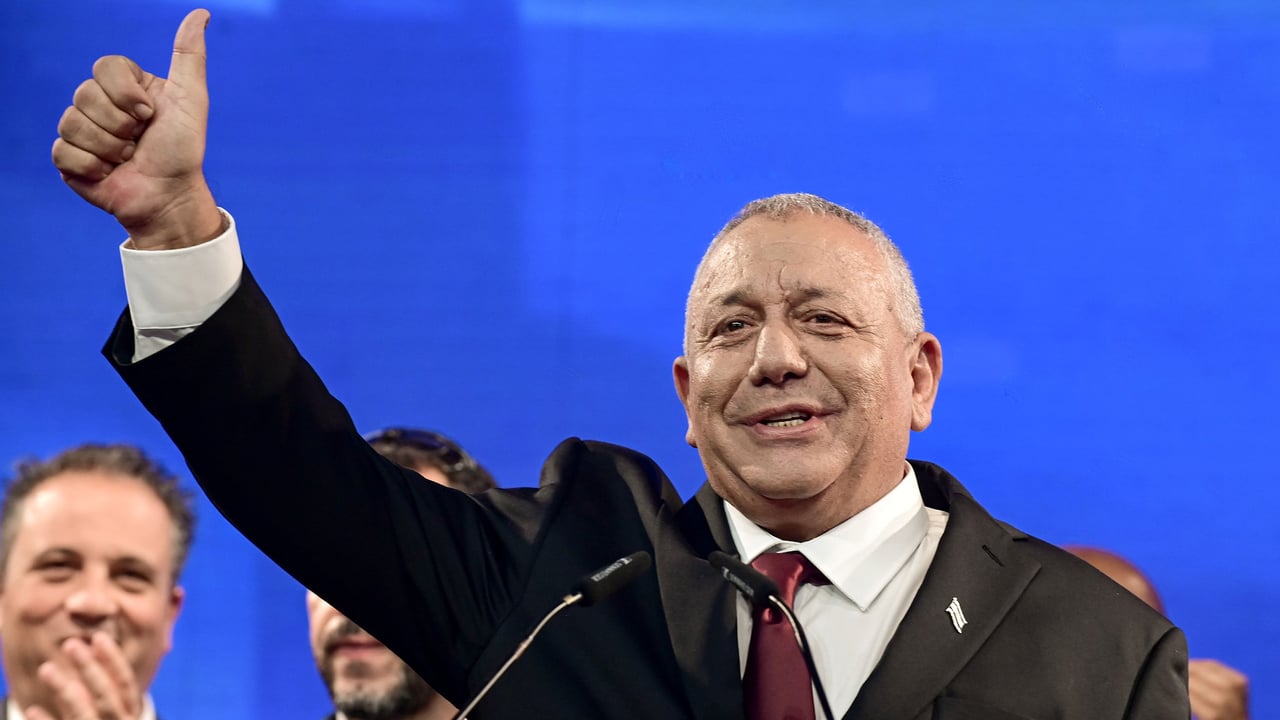
In a historic shift, Gadi Eizenkot, a former Israeli military chief, is set to challenge incumbent Benjamin Netanyahu in the upcoming Israeli elections. Eizenkot, son of Moroccan Jewish immigrants, is poised to become the first Mizrahi Prime Minister, representing a significant demographic shift in Israeli politics.
Eizenkot's political rise is notable for several reasons. First, he is a Mizrahi Jew, a community that has historically been underrepresented in Israeli politics. Mizrahi Jews are descendants of Jews from the Middle East and North Africa, and they constitute a significant portion of Israel's population. However, they have often been marginalized in favor of Ashkenazi Jews, who are of European descent.
Eizenkot's candidacy marks a potential turning point for the Mizrahi community. His political platform emphasizes social and economic issues that resonate with many Mizrahi voters. He has spoken about the need for greater investment in education, healthcare, and infrastructure in peripheral regions, where many Mizrahi Jews reside. Additionally, he has advocated for policies that promote social cohesion and reduce economic disparities.
Eizenkot's military background also sets him apart from other political candidates. As a former chief of staff of the Israeli Defense Forces, he brings a unique perspective to the political arena. His experience in military leadership has equipped him with skills in strategic planning, decision-making, and crisis management, which he believes are essential for effective governance.
Eizenkot's challenge to Netanyahu is significant because Netanyahu has long been a dominant figure in Israeli politics. Netanyahu, who has been in power for over a decade, has a strong base of support among right-wing voters, many of whom are Mizrahi Jews. However, Eizenkot's candidacy could potentially erode some of that support, as he appeals to a similar demographic with a different political message.
Eizenkot's political campaign has focused on several key issues. He has emphasized the importance of national security, advocating for a strong military and robust defense policies. He has also highlighted the need for economic growth and job creation, particularly in peripheral regions. Additionally, he has spoken about the importance of social justice and equality, advocating for policies that promote inclusivity and reduce disparities.
Eizenkot's candidacy has sparked debate and discussion within Israeli society. Some view his rise as a positive development, representing a shift towards greater inclusivity and representation. Others, however, are skeptical, questioning his political inexperience and the potential for a power struggle between the military and civilian leadership.
As the election approaches, all eyes are on Eizenkot and his potential to reshape Israeli politics. His candidacy represents a historic moment for the Mizrahi community and a potential shift in the political landscape of Israel. Whether he will succeed in unseating Netanyahu remains to be seen, but his presence in the political arena is already making waves.