Art and Memory: The Legacy of Ursula von Rydingsvard and the Battle for Auschwitz Watercolors
 ··2 min read
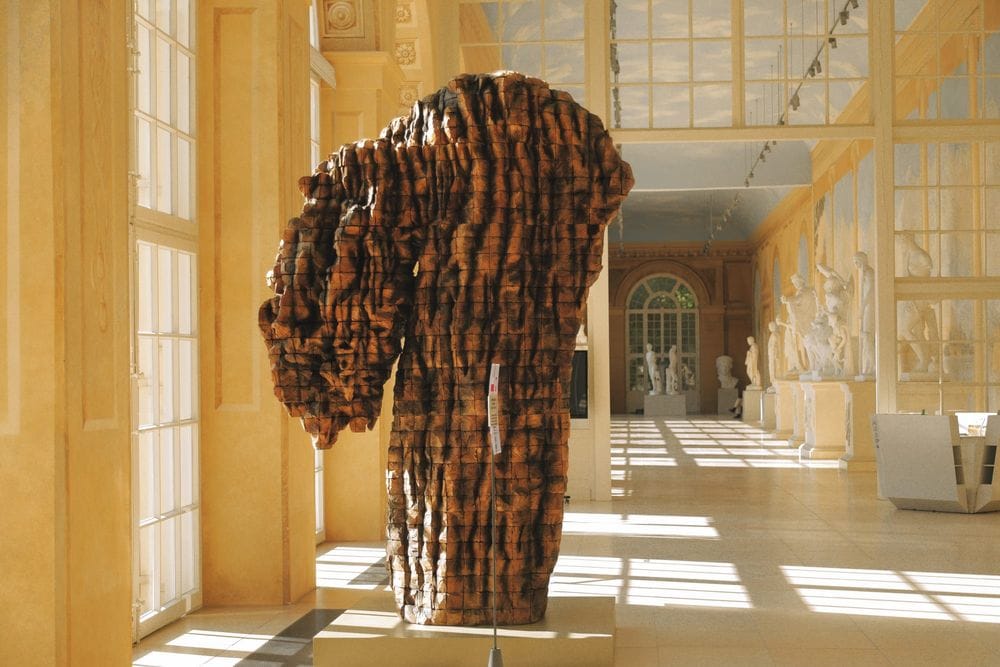
In the world of art, two significant stories unfolded recently, both deeply intertwined with themes of memory, loss, and the enduring power of artistic expression. The legacy of sculptor Ursula von Rydingsvard was celebrated, while a decades-long dispute over watercolors created by Holocaust survivor Dina Gottliebova Babbitt resurfaced.
Von Rydingsvard, born in Germany to Polish and Ukrainian parents, spent her early years in displacement camps for Polish refugees before immigrating to the United States in 1950. Her monumental, organic sculptures, often crafted from cedar beams, reflect a deep harmony with the natural world and bear the weight of personal and collective loss. Her work is celebrated for its ability to evoke the ever-present possibility of life amidst profound sorrow.
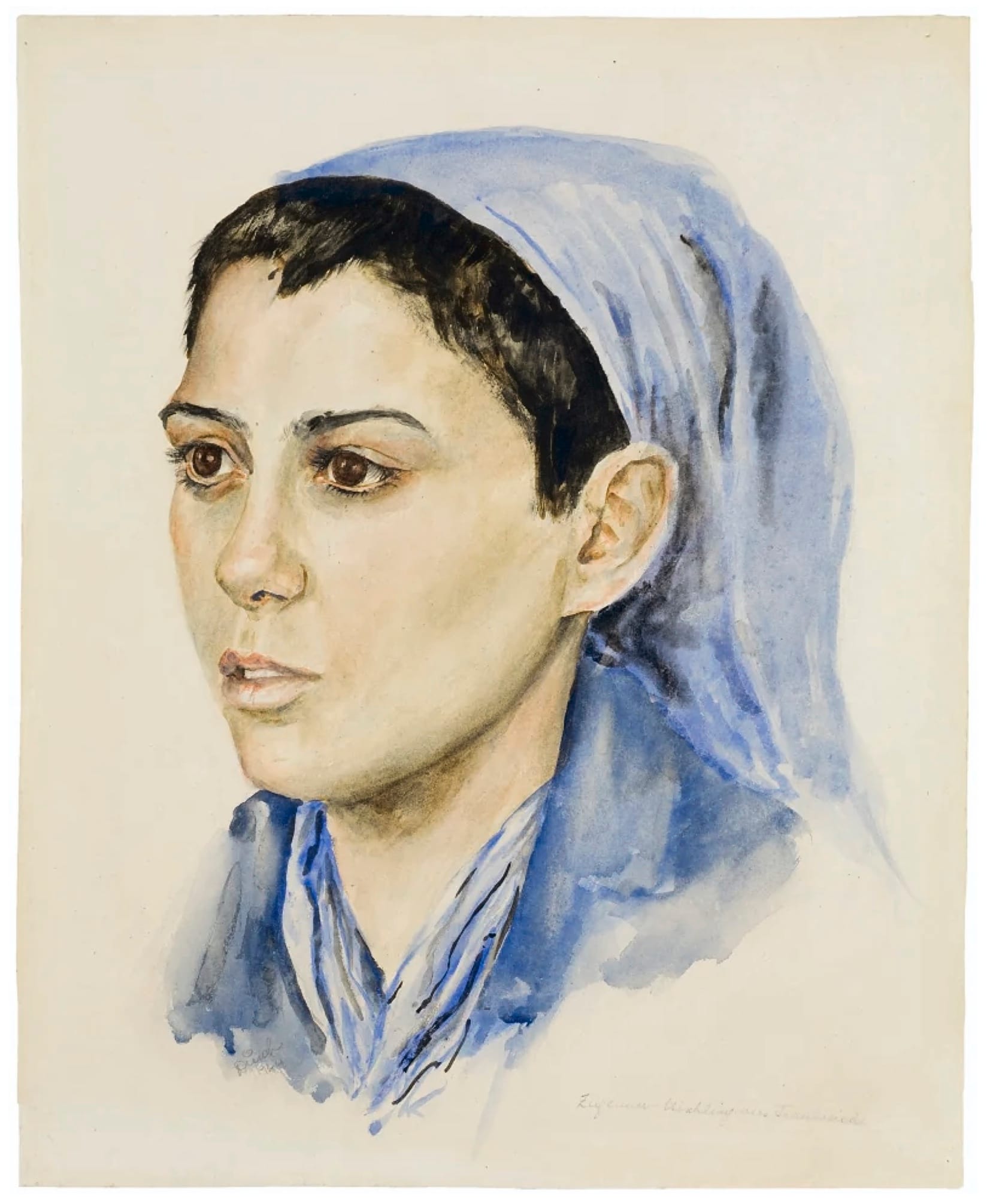
The dispute over Dina Gottliebova Babbitt's watercolors, currently housed in the Auschwitz-Birkenau State Museum, has been ongoing for decades. The seven watercolors, depicting Roma prisoners, were created under the dire circumstances of Dr. Josef Mengele's pseudo-scientific experiments. Mengele, known as the 'Angel of Death,' ordered Babbitt to portray the traits of Roma prisoners to 'prove' their perceived racial inferiority. Babbitt created the watercolors to save her own life and that of her mother, but all the Roma people forced to pose for these portraits were later executed.
The ownership dispute between Babbitt's family and the Auschwitz-Birkenau State Museum culminated in a California lawsuit initiated by her daughters 17 years after her death. The lawsuit seeks to recover the haunting paintings, which hold immense emotional and historical significance. The battle over these watercolors highlights the complex issues of ownership, memory, and justice for Holocaust survivors and their families.
Roma scholar Cristiana Grigore's essay delves into the intricate layers of this dispute, questioning what justice would look like for the Roma victims whose lives were forever altered by these events. Grigore's work underscores the need to recognize the unique struggles and traumas faced by the Roma community within the broader narrative of Holocaust memory.