Lebanon's Hezbollah and the November 2024 Ceasefire Agreement
 ··2 min read
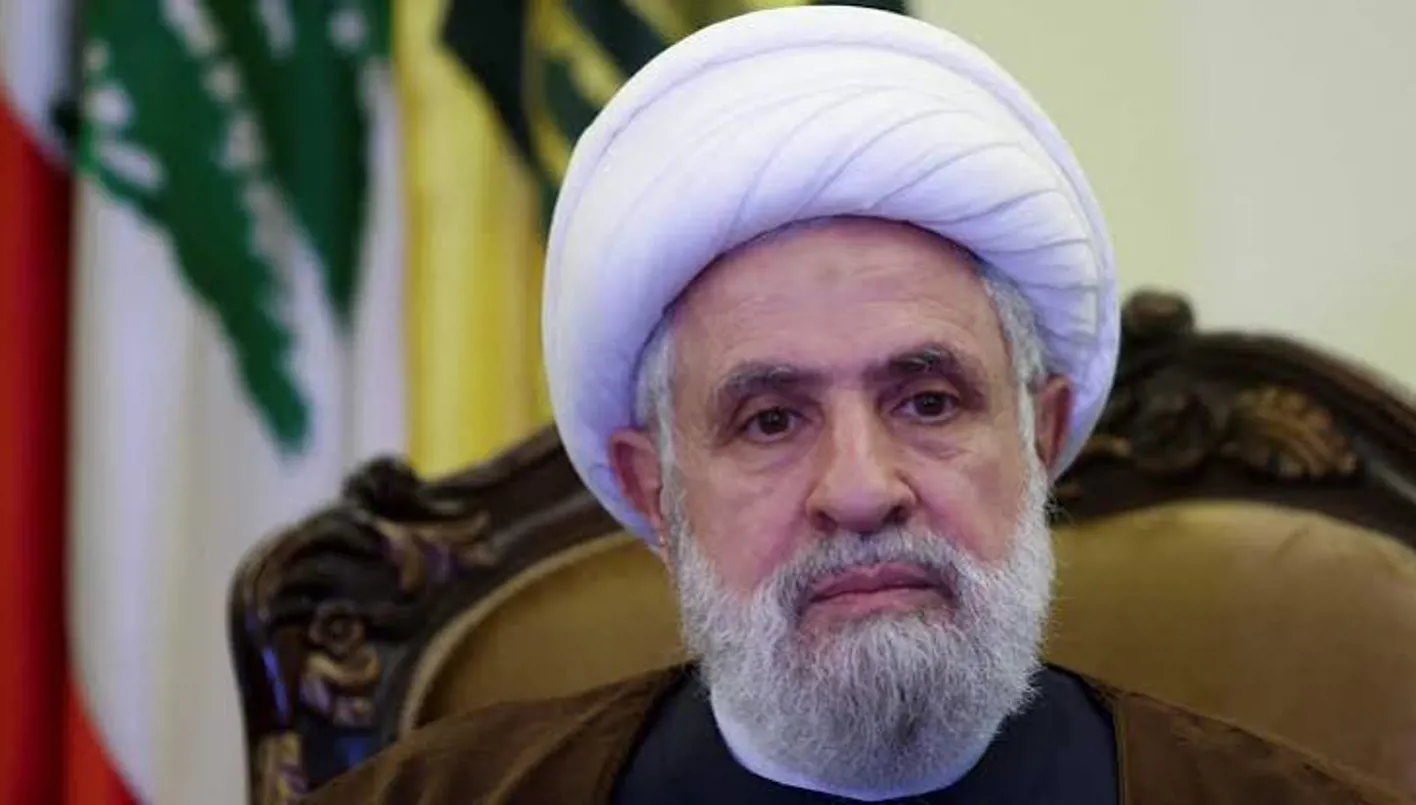
BEIRUT, LEBANON — Hezbollah's Secretary General, Sheikh Naeem Qassem, has repeatedly cited the November 2024 ceasefire agreement as a basis for demanding that Israel fulfill its commitments, but the agreement's stipulations regarding disarmament have been a contentious issue. The agreement, which references UN Security Council Resolution 1701, explicitly states that the Lebanese government must have exclusive control over all weapons and security forces within the country.
Resolution 1701, the foundational document for the ceasefire agreement, emphasizes the necessity for the Lebanese government to extend its authority over the entire territory, ensuring that no weapons or security forces operate without government approval. This resolution also calls for the implementation of previous relevant decisions, including the disarmament of all armed groups in Lebanon, with the exception of the official military and security forces.
Article 7 of the November 2024 agreement outlines specific measures for implementation. Paragraph (b) mandates the dismantling of unauthorized weapons production facilities, starting from the South Litani region. Paragraph (c) requires the dismantling of military infrastructure and sites, as well as the confiscation of unauthorized weapons, also beginning in the South Litani region. These measures are not limited to visible sites but also include underground and above-ground facilities, according to the agreement's execution arrangements.
Despite these stipulations, Hezbollah has maintained its armed status and military structure outside the control of official Lebanese institutions. The agreement's language, particularly the phrase 'starting from the South Litani region,' indicates the initial focus area for enforcement but does not limit the disarmament requirement to this region alone. The broader framework set by Resolution 1701 applies nationwide, ensuring that the exclusive control of weapons remains a central tenet of the security solution.
The agreement also addresses not only the use of weapons in military operations but also the dismantling of unauthorized military infrastructure, the control of weapons importation and production, and the prevention of rearmament by groups outside state authority.