The Smart Home Paradox: Balancing Connected Devices and Manual Control
 ··1 min read
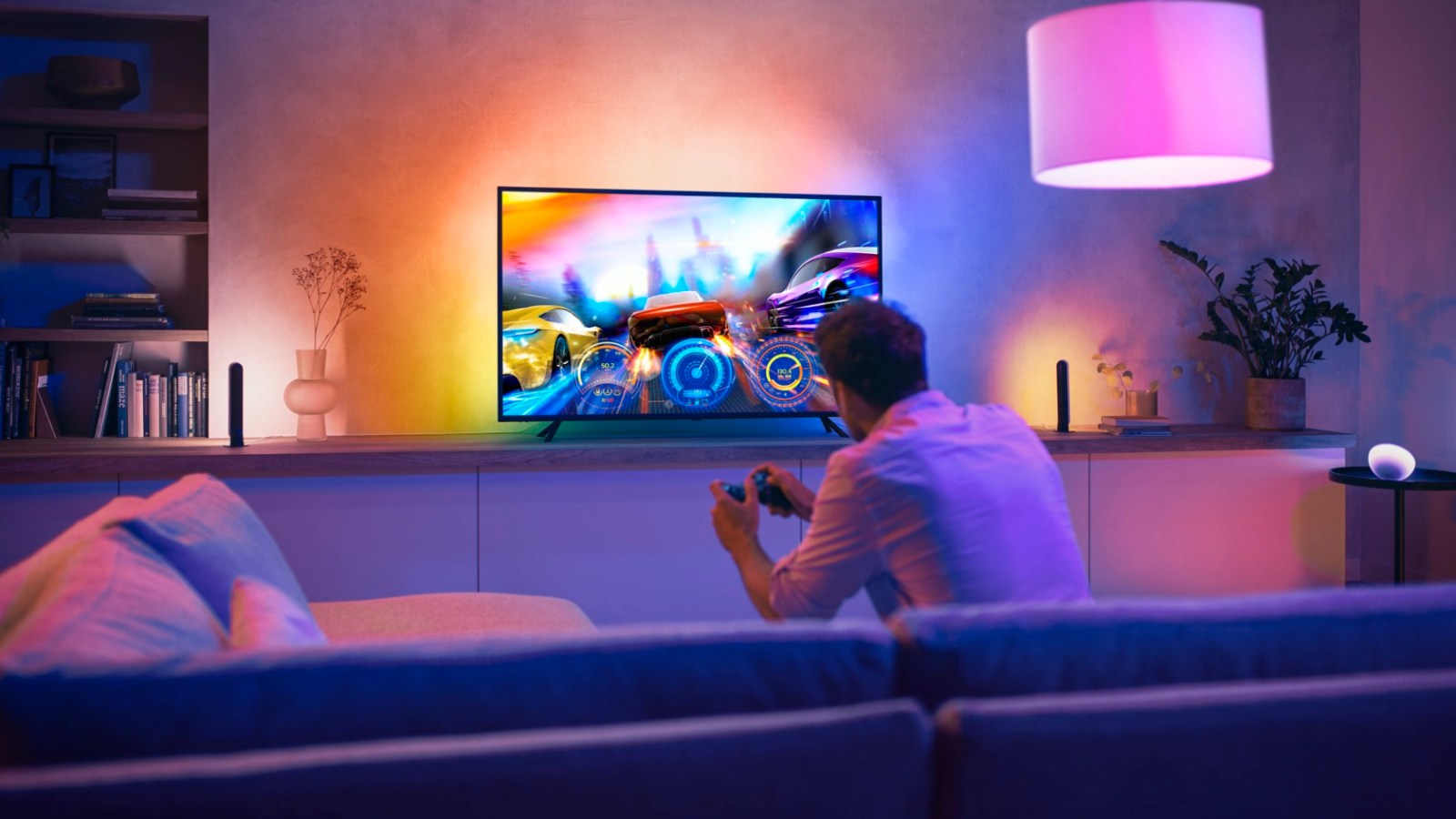
Paris, France. A homeowner's journey with smart home devices has revealed a crucial balance between connected technology and manual control. The user, who initially connected various devices such as smart bulbs, speakers, and automated blinds, found that the ability to manually override these devices was essential for a satisfying experience.
The homeowner's experience began with the integration of multiple smart devices, aiming to create a fully automated living space. Over time, the user discovered that the convenience of automation was often outweighed by the frustration of relying solely on connected technology. This led to a decision to disconnect most of the devices, retaining only those that offered a seamless blend of automation and manual control.
The key takeaway from this experience is the importance of maintaining manual control in smart home setups. The user emphasized that the 'button must always have the final say,' ensuring that manual intervention is always an option. This approach allows for greater flexibility and reliability, as users can intervene when automated systems fail or behave unpredictably.
This experience underscores the need for a balanced approach in smart home technology. While automation offers numerous benefits, such as energy efficiency and convenience, it is crucial to ensure that users can easily override these systems when necessary. This balance is essential for creating a smart home environment that is both convenient and reliable.