Libya's Eastern Administration Names New Central Bank Governor
 ··2 min read
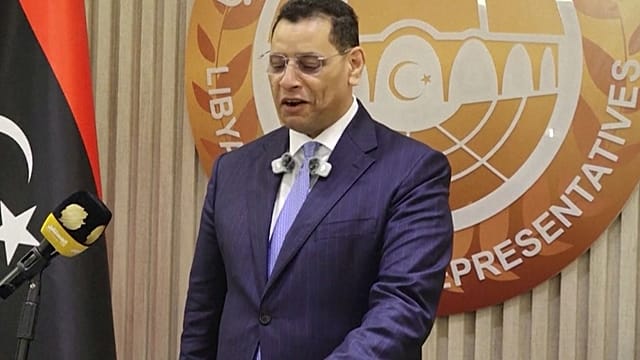
Libya's eastern administration has appointed a new central bank governor, following the resignation of Naji Issa in August. The new governor's name has not yet been disclosed. Issa submitted his resignation to the two legislative chambers without providing a public explanation for his departure. The eastern administration, based in Tobruk, operates independently of the internationally recognized Government of National Accord (GNA) in Tripoli. The appointment comes amidst ongoing political divisions and economic challenges in Libya.
The resignation of Naji Issa marks a significant change in Libya's eastern administration's financial leadership. Issa had been serving as the governor of the Central Bank of Libya's branch in the east. The Central Bank of Libya has been divided since 2014, with separate branches in Tripoli and Tobruk, each aligned with different political factions. The eastern branch, under Issa's leadership, had been managing financial operations in the regions controlled by the Libyan National Army (LNA) and the eastern administration. The LNA, led by Field Marshal Khalifa Haftar, has been a key player in the country's political and military landscape, often at odds with the GNA.
The appointment of a new governor is expected to influence the economic policies and financial management in the eastern regions. The eastern administration's financial policies have often been at odds with those of the GNA, leading to dual financial systems and economic instability. The new governor will face the challenge of navigating these divisions while addressing the economic needs of the region. The eastern administration has been advocating for greater autonomy and control over its financial resources, which has been a contentious issue in the ongoing political negotiations.
Libya's economic situation remains fragile, with the country heavily dependent on oil revenues. The ongoing political instability and conflict have hindered economic development and reconstruction efforts. The new governor will need to address these challenges while working within the constraints of the divided financial system. The eastern administration's control over key oil fields and export terminals has been a critical factor in its financial operations, and the new governor will likely focus on maintaining and expanding this control.
The appointment of the new governor comes at a time of heightened political tensions in Libya. The country has been in a state of political turmoil since the overthrow of Muammar Gaddafi in 2011, with various factions vying for control. The political divisions have been exacerbated by the presence of foreign actors, including Turkey and Russia, each supporting different factions. The new governor's ability to navigate these complex political dynamics will be crucial for the stability and economic development of the eastern regions.