Tunisia Emerges as Key Hub in Mediterranean Cocaine Trafficking Routes
 ··2 min read
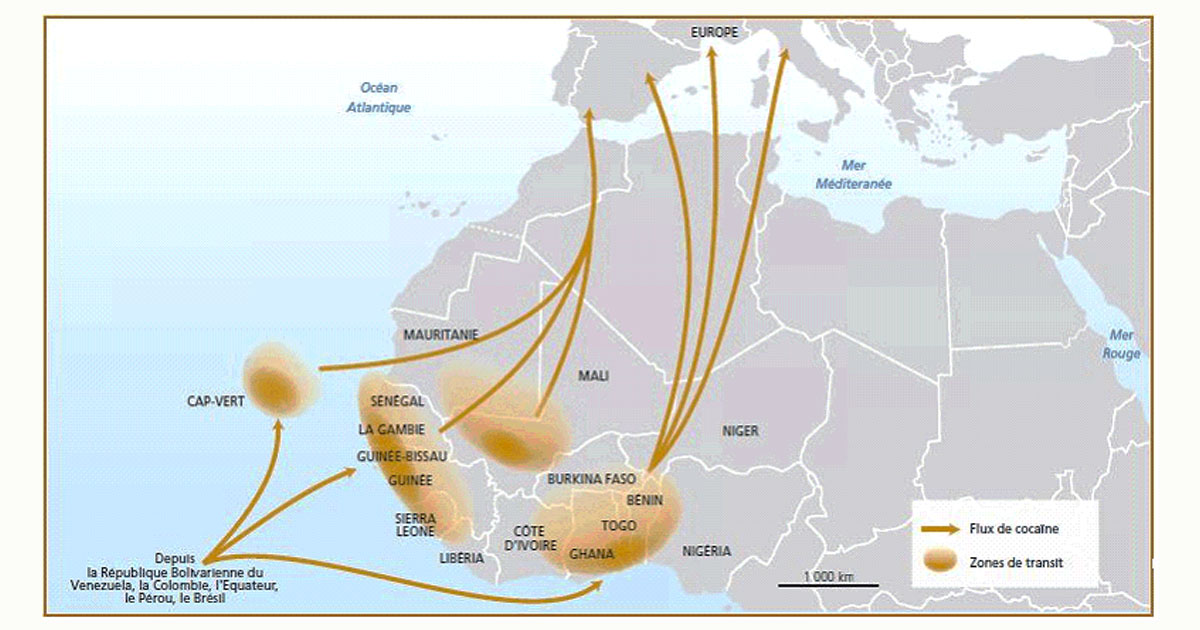
Tunisia has become a central transit point for cocaine trafficking between Libya and Europe, with a marked increase in seizures and expanding domestic market. Since the start of 2026, Tunisian authorities have intercepted over 101 kilograms of cocaine, surpassing the total seized in 2025. This trend is part of a broader shift in Mediterranean drug trafficking routes, with Libya emerging as a key hub.
The United Nations Office on Drugs and Crime (UNODC) reports that cocaine flows into Libya from South America, with shipments arriving via maritime routes from Brazil, Colombia, and Ecuador, or overland through the Sahel region via Mali, Burkina Faso, and Niger. From Libya, a significant portion of these shipments then move into Tunisia, often crossing the border at Ras Jedir.
Tunisian authorities have noted a dramatic increase in cocaine seizures over the past decade. Official statistics indicate that while only about 150 grams were seized in 2013, this figure jumped to over 140 kilograms by 2023. The trend has continued into 2026, with seizures already exceeding the total for 2025. This surge in interceptions suggests that Tunisia is playing an increasingly important role in the regional drug trade.
The UNODC's January 2026 report highlights Libya's role as a growing transit point for cocaine destined for Europe, the Middle East, and regional markets. The report underscores the complexity of the trafficking routes, which often involve multiple countries and sophisticated smuggling techniques. The Tunisian market, while still relatively small, is showing signs of growth, raising concerns about the potential for increased domestic consumption and related criminal activities.
Tunisian authorities have expressed particular concern about the evolving drug trafficking routes in the Mediterranean. The shift towards Libya as a key transit point has implications for regional security and stability. The UNODC report emphasizes the need for enhanced cooperation among countries in the region to combat this growing threat. This includes strengthening border controls, improving intelligence sharing, and implementing more effective law enforcement strategies.
In response to these challenges, Tunisian authorities have intensified their efforts to combat drug trafficking. This includes increased surveillance at border crossings, particularly at Ras Jedir, and enhanced cooperation with international partners. The Tunisian government has also been working to address the root causes of drug trafficking, including poverty and lack of economic opportunities, which can make individuals more susceptible to involvement in criminal activities.
Despite these efforts, the complexity of the trafficking networks and the evolving nature of the routes present significant challenges. The involvement of multiple countries and the use of sophisticated smuggling techniques make it difficult to disrupt these operations. However, the Tunisian authorities remain committed to combating drug trafficking and protecting their citizens from the harmful effects of drug abuse.