Tunisia Invests in Solar Power and Energy Storage in Tataouine
 ··2 min read
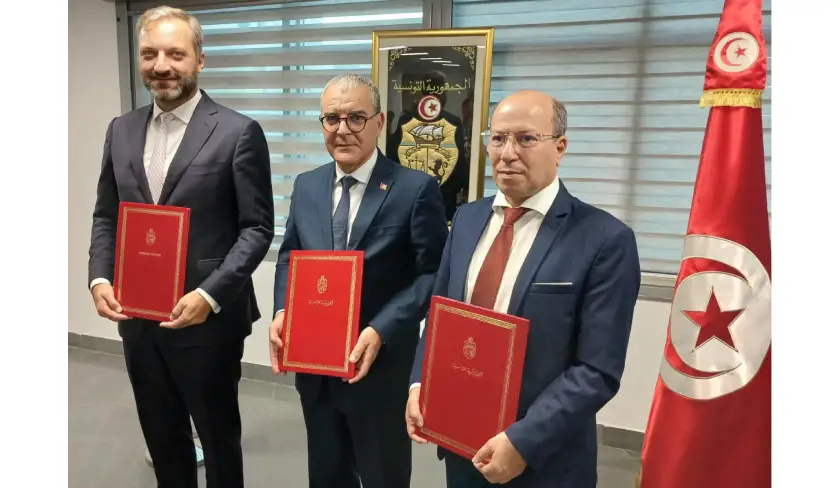
Tunisia has secured €50 million in funding for a new solar power plant and energy storage system in Tataouine. The project, located in Beni Mhira, aims to generate and store solar energy to better meet the region's electricity needs.
The €50 million investment, equivalent to approximately 167 million Tunisian dinars, will support the development of a solar power plant and a battery energy storage system. This initiative is part of Tunisia's broader strategy to diversify its energy mix and reduce dependence on fossil fuels.
The project in Tataouine is significant for several reasons. Firstly, it represents a major step forward in Tunisia's renewable energy sector, which has been growing steadily in recent years. The country has set ambitious targets to increase the share of renewable energy in its total energy mix, with a goal of reaching 30% by 2030. The new solar power plant and energy storage system in Tataouine will contribute significantly to achieving this target.
Secondly, the project addresses a critical need for energy storage solutions. Energy storage is essential for balancing the intermittent nature of solar power, ensuring a stable and reliable electricity supply. The battery energy storage system in Tataouine will allow excess solar energy generated during peak sunlight hours to be stored and released when demand is high or solar generation is low, such as during the night.
Thirdly, the project aligns with Tunisia's broader economic and environmental goals. By investing in renewable energy and energy storage, Tunisia aims to reduce its carbon footprint, enhance energy security, and create new economic opportunities. The development of the solar power plant and energy storage system is expected to generate jobs and stimulate local economic activity in Tataouine.
Fourthly, the project underscores the importance of international cooperation in achieving sustainable development goals. The €50 million funding for the Tataouine project comes from international partners, highlighting the role of foreign investment and technical assistance in supporting Tunisia's renewable energy initiatives. This collaboration is crucial for mobilizing the necessary resources and expertise to implement large-scale projects like the one in Tataouine.
Finally, the project in Tataouine serves as a model for future renewable energy developments in Tunisia. The successful implementation of the solar power plant and energy storage system will provide valuable lessons and best practices that can be replicated in other regions of the country. This will help Tunisia accelerate its transition to a more sustainable and resilient energy system.