Morocco's Diplomatic Moves and the Abraham Accords
 ··3 min read
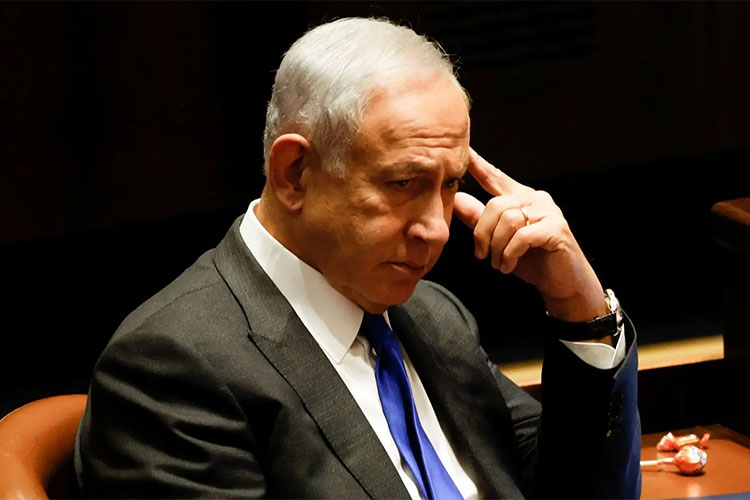
In December 2020, Morocco became the fourth Arab country to recognize Israel, following the United Arab Emirates, Bahrain, and Sudan, as part of the Abraham Accords. The move came after the United States agreed to recognize Morocco's sovereignty over the Western Sahara, a disputed territory.
The diplomatic push was orchestrated by then-Israeli Prime Minister Benjamin Netanyahu, who had been working to convince then-US President Donald Trump to support the deal. Trump, who had previously expressed disdain for Morocco's King Mohammed VI, was persuaded by the potential historical significance of the agreement.
Netanyahu had been advocating for Morocco to join the Abraham Accords, with the condition that the United States recognize Morocco's sovereignty over the Western Sahara. This condition was seen as a strategic move by Morocco to gain international recognition for its claim over the territory, which has been a longstanding point of contention.
Trump, who had been seeking to make significant diplomatic achievements, was drawn to the idea of brokering a historic peace deal. The agreement was finalized in a phone call between Trump, Netanyahu, and King Mohammed VI, with Netanyahu playing a key role in the negotiations.
However, the deal was not without controversy. Critics argued that the recognition of Morocco's sovereignty over the Western Sahara was a concession to Morocco in exchange for its recognition of Israel. The move was seen as a significant shift in US policy, which had previously maintained a more neutral stance on the Western Sahara issue.
Despite the controversy, the agreement marked a significant step in the normalization of relations between Israel and Arab countries. It also highlighted the complex diplomatic maneuvers that can occur in the Middle East, with various countries and leaders pursuing their own strategic interests.
For Morocco, the recognition of Israel was part of a broader strategy to strengthen its diplomatic ties and gain international support for its claim over the Western Sahara. The move was seen as a way to enhance Morocco's regional standing and secure its position in the face of ongoing disputes.
In the context of the Abraham Accords, Morocco's recognition of Israel was a significant development. The accords, which were brokered by the Trump administration, aimed to promote peace and cooperation between Israel and Arab countries. The inclusion of Morocco in the accords was seen as a further step towards regional stability and cooperation.
However, the deal also raised questions about the broader implications of the Abraham Accords and the role of the United States in the Middle East. Critics argued that the accords were more about securing short-term diplomatic gains than achieving long-term peace.
The agreement between Morocco, Israel, and the United States was a complex diplomatic maneuver that involved multiple actors and strategic interests. It highlighted the ongoing tensions and disputes in the Middle East, as well as the potential for diplomatic solutions to longstanding conflicts.
The deal also underscored the importance of international recognition and support in resolving territorial disputes. For Morocco, the recognition of its sovereignty over the Western Sahara was a significant diplomatic victory, even as it faced criticism from some quarters.
In the broader context of Middle Eastern politics, the agreement between Morocco, Israel, and the United States was a significant development. It marked a shift in US policy towards the Western Sahara and highlighted the complex interplay of interests and alliances in the region.